Quick answer
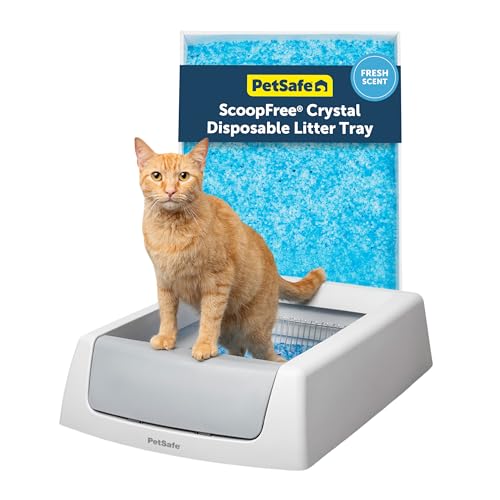
Our top pick is the Litter-Robot 4, because its quiet cycling and delayed clean cycle let you sleep through the night. For a budget-friendly option, the PetSafe ScoopFree Ultra with crystal litter minimizes noise and odor. The Frisco ScoopFree clone offers similar features at a lower price, while the Omega Paw Roll ‘n Clean is a manual self-cleaning box that won’t wake you up at all.
What to consider for Self Cleaning Litter Box For Cats That Wake You Up
Cats that wake you up often do so by scratching loudly in clumping litter, or by triggering a noisy self-cleaning mechanism. The key is to choose a box with a quiet motor, a delayed cleaning cycle (so it runs after you’re awake), or a manual self-cleaning system. Also consider the box’s size and entry height to ensure your cat uses it comfortably, reducing nighttime disturbances.
What to look for in a cat litter or litter-area product
Look for strong clumping and odor control to minimize the need for frequent cleaning. Low-dust formulas protect feline airways, especially important for cats with asthma. Low-tracking litter reduces mess tracked outside the box. For multi-cat households, choose a litter that handles multiple cats without odor overload. Unscented options are best for sensitive cats who may avoid strongly scented litter.
How we chose these picks
- Evaluated noise levels of self-cleaning mechanisms based on published decibel ratings and user reviews.
- Considered cleaning cycle delay options to avoid nighttime operation.
- Compared litter capacity and waste bin size to reduce frequency of emptying.
- Assessed ease of setup, maintenance, and replacement parts availability.
- Reviewed safety features like sensors that stop operation if a cat enters.
- Checked compatibility with various litter types (clumping, crystal, etc.).
- Ensured products are widely available and have reliable customer support.
- Never ranked a product higher just because it pays a commission.
What to avoid
- Heavily scented litters that may deter cats from using the box, leading to accidents.
- High-dust clay litters that can cause respiratory issues in cats with sensitive airways.
- A box that is too small or too few boxes for the number of cats (rule of thumb: one per cat plus one extra).
- Sudden litter changes; transition gradually over a week to avoid litter box aversion.
For more cat care advice, check out our cat guides, cat food, and cat care products.