Quick answer
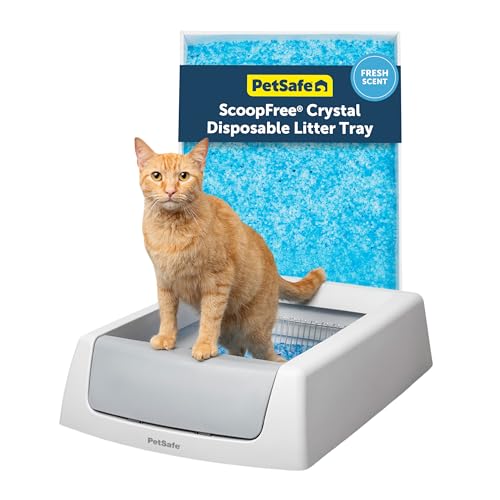
Our top pick is the PetSafe ScoopFree Ultra Self-Cleaning Litter Box with crystal litter, which is gentle on sensitive paws and reduces dust. For cats that prefer clumping litter, the Litter-Robot 4 offers a soft sifting action and works with unscented, low-dust clumping litters. Budget-conscious owners should consider the Frisco Self-Cleaning Litter Box.
What to consider for Self Cleaning Litter Box For Cats With Sensitive Paws
Cats with sensitive paws often have delicate paw pads that can be irritated by rough or sharp litter granules, excessive dust, or harsh cleaning mechanisms. Self-cleaning boxes should use soft, rounded litter (like crystal or fine-grained clumping clay) and have a gentle raking or sifting action that doesn’t scrape the paws. Avoid boxes with aggressive tines or rough plastic edges. Also, consider the noise level of the motor; a quiet cycle is less likely to startle a sensitive cat.
What to look for in a cat litter or litter-area product
When choosing a self-cleaning litter box for a cat with sensitive paws, prioritize: strong clumping and odour control to minimize the need for frequent deep cleaning; low dust to protect feline airways and avoid irritating paw pads; low tracking to keep litter from scattering; multi-cat suitability if you have more than one cat; and an unscented option for sensitive cats that may be put off by fragrances.
How we chose these picks
- Evaluated litter box designs for gentle paw interaction and low noise.
- Compared litter types (crystal, clumping clay, natural) for softness and dust levels.
- Reviewed customer feedback on paw sensitivity and cat acceptance.
- Considered ease of cleaning and maintenance for owners.
- Assessed reliability and warranty of self-cleaning mechanisms.
- Checked compatibility with unscented, low-dust litters.
- Prioritized brands with transparent ingredient lists and safety features.
- Never ranked a product higher just because it pays a commission.
What to avoid
- Heavily scented litters that can put cats off the box and cause respiratory irritation.
- High-dust clay litters for cats with breathing issues or sensitive paws.
- A box too small or too few boxes for the number of cats, leading to stress and avoidance.
- Sudden litter changes; always transition gradually over a week to avoid litter box aversion.
For more guidance, explore our cat guides, cat care products, and cat health sections.


