Quick answer
The PetSafe ScoopFree Ultra Self-Cleaning Litter Box is our top pick for sensitive paws because its plastic rake is smooth and the crystal litter is dust-free. For cats that prefer a sifting design, the Litter-Robot 4 offers gentle waste separation. Budget-conscious owners should consider the Frisco Self-Cleaning Litter Box with its soft rubber rake.
What to consider for Self Cleaning Litter Box For Sensitive Paws
Cats with sensitive paws need a litter box that minimizes irritation. The rake mechanism should be smooth and free of sharp edges. Litter type matters: fine-grained, low-dust litters are gentler on paw pads. The box should have a soft or plastic rake rather than metal. Noise level is also important; a quiet motor reduces stress. Look for adjustable cycle timers to avoid startling your cat. Consider the box height and entry ramp for easy access, especially for older or arthritic cats. A larger waste drawer reduces the need for frequent handling, which can disturb a sensitive cat.
What to look for in a cat litter or litter-area product
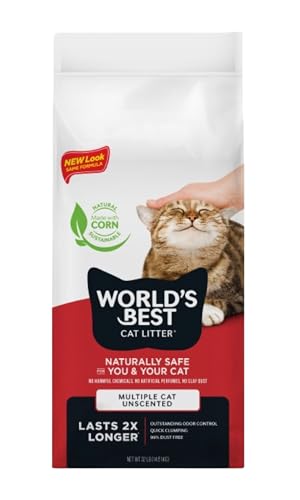
When choosing a self-cleaning litter box for sensitive paws, prioritize strong clumping and odour control to keep the box fresh without harsh chemicals. Low dust is critical for feline airways and paw comfort. Low tracking reduces litter scatter on sensitive paws. Multi-cat suitability ensures the box can handle multiple cats without overworking. An unscented option is best because artificial fragrances can deter sensitive cats. Look for a box with a gentle rake or sifting mechanism that won’t pinch or scrape paws. Removable waste receptacles make cleaning easier. Energy efficiency and quiet operation are bonuses.
How we chose these picks
- Evaluated rake and sifting mechanisms for smoothness and paw safety.
- Checked litter compatibility, preferring low-dust, unscented options.
- Reviewed noise levels and motor quality for quiet operation.
- Assessed waste drawer capacity and ease of cleaning.
- Considered entry design for cats with mobility issues.
- Read verified customer feedback on paw sensitivity and cat acceptance.
- Compared warranty and customer support responsiveness.
- Never ranked a product higher just because it pays a commission.
What to avoid
- Avoid heavily scented litters that can put cats off the box or cause respiratory irritation.
- Skip high-dust clay litters for cats with breathing issues or sensitive paws.
- Do not choose a box that is too small or offers too few boxes for the number of cats; follow the one-per-cat-plus-one rule.
- Avoid sudden litter changes; transition gradually over a week to prevent litter box aversion.
For more resources, visit our cat guides, cat health, and cat care products sections.