Quick answer
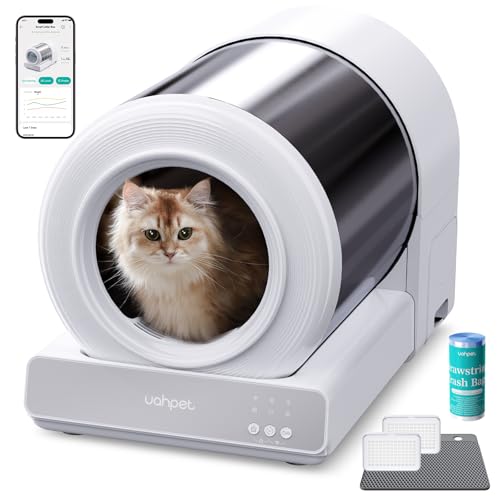
The best self-cleaning litter box for vet visits is the PetSafe ScoopFree Ultra Pro, thanks to its crystal litter that traps odors and a covered design that reduces stress. For multi-cat homes, the Litter-Robot 4 offers a larger waste drawer and quieter cycle. The Frisco Stainless Steel Self-Cleaning Box is a budget-friendly alternative with easy-clean surfaces.
What to consider for Self Cleaning Litter Box For Vet Visits
Vet visits can be stressful for cats, so a litter box that minimizes odors and noise helps maintain a calm environment. Self-cleaning boxes reduce daily scooping, which is ideal when you’re preparing for a vet appointment. Look for models with sealed waste compartments to lock in smells and quiet motors to avoid startling your cat. Also consider the litter type: crystal or clumping clay with low dust is best for sensitive airways.
What to look for in a cat litter or litter-area product
Strong clumping and odor control are essential to keep the box fresh between cleanings. Low dust is critical for feline respiratory health, especially in cats prone to asthma. Low tracking reduces mess around the box, and multi-cat suitability ensures the box can handle multiple users without overloading. An unscented option is best for sensitive cats who may avoid strongly perfumed litters.
How we chose these picks
- Evaluated odor control performance based on litter type and waste containment design.
- Assessed noise levels during cleaning cycles to ensure a quiet operation.
- Considered ease of maintenance, including how often the waste drawer needs emptying.
- Checked compatibility with low-dust and unscented litters for cat health.
- Reviewed size and entry height to accommodate cats of all ages and mobility levels.
- Factored in price and long-term cost of replacement litter or parts.
- Never ranked a product higher just because it pays a commission.
What to avoid
- Heavily scented litters that may deter cats from using the box.
- High-dust clay litters that can aggravate breathing issues.
- A box that is too small or insufficient number of boxes for multi-cat households.
- Sudden litter changes that can cause litter box aversion.
For more cat care advice, visit our cat guides, cat health, and cat care products sections.