Quick answer
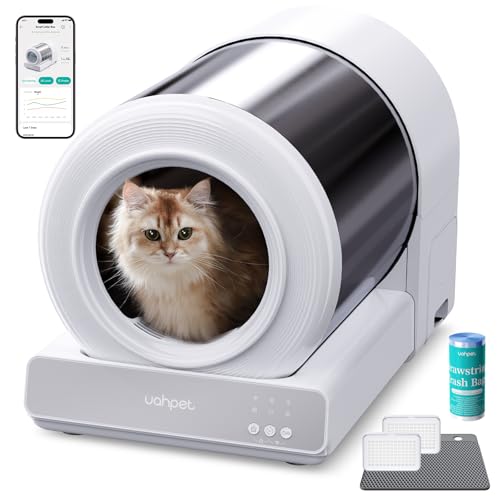
Our top pick is the Litter-Robot 4, because its automatic sifting cycle removes waste immediately, preventing odor buildup from wet-food stool. The PetSafe ScoopFree Ultra is a great budget alternative with disposable trays. For multi-cat households on wet food, the Litter-Robot 4 handles high volume best, while the Frisco Stainless Steel Box offers a non-electric option for cats afraid of motors.
What to consider for Self Cleaning Litter Box For Wet Food Diets
Cats on wet food diets produce stool that is softer and more odorous than dry-food-fed cats. Their urine volume is also higher, which can lead to faster ammonia buildup. A self-cleaning box must cycle frequently enough to prevent messes from sticking and to control odor. Look for models with large waste bins, strong clumping litter compatibility, and sensors that detect when the cat has exited. Noise level matters too, as some cats are startled by loud motors. Additionally, the box should be easy to disassemble for deep cleaning, because wet-food residue can cling to corners.
What to look for in a cat litter or litter-area product
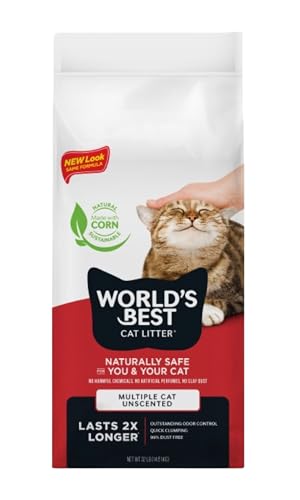
Strong clumping and odor control are critical, especially with wet food diets. Choose a litter that forms hard clumps that won’t break apart during sifting. Low dust is important for feline respiratory health, as wet-food-fed cats may spend more time in the box. Low tracking reduces litter scatter, and multi-cat suitability ensures the box can handle multiple users. Unscented options are best for sensitive cats, as artificial fragrances can deter them from using the box.
How we chose these picks
- Evaluated product specifications and customer reviews for reliability and performance.
- Focused on models with strong odor control features, such as carbon filters or sealed waste bins.
- Considered cycle speed and waste capacity to handle the higher output from wet food diets.
- Checked for safety sensors that prevent cycling while a cat is inside.
- Prioritized easy cleaning and maintenance to prevent bacterial buildup.
- Compared noise levels to ensure they are not disruptive to cats or owners.
- Included a range of price points and automation levels.
- Never ranked a product higher just because it pays a commission.
What to avoid
- Heavily scented litters that can put cats off the box, especially those with sensitive noses.
- High-dust clay litters that can aggravate feline asthma or allergies.
- A box that is too small or too few boxes for the number of cats, leading to territorial issues.
- Sudden litter changes; always transition slowly to avoid litter box aversion.
For more guidance, browse our cat guides, cat food, and cat care products.