Quick answer
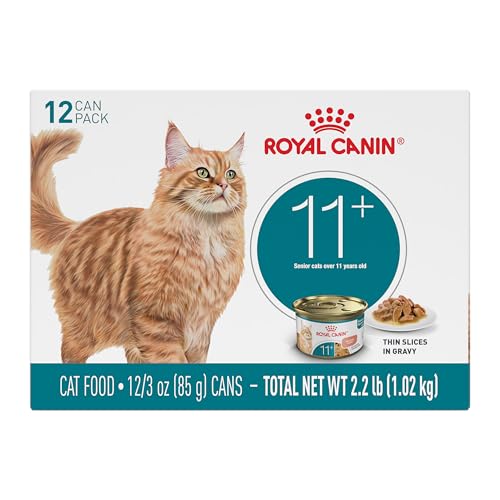
The best senior cat food for cats in small homes is Hill’s Science Diet Adult 11+ Indoor Cat Food, because it combines precise calorie control for less active indoor cats with balanced nutrients for kidney and joint health. For a budget-friendly wet option, Purina Pro Plan Prime Plus Senior Wet Food offers high moisture and easy digestion. If your cat has a sensitive stomach, Royal Canin Aging 12+ Thin Slices in Gravy provides gentle protein sources.
What to consider for Senior Cat Food For Cats In Small Homes
Senior cats in small homes often have lower activity levels, making weight management critical. Limited space means less opportunity for exercise, so calorie-dense foods can lead to obesity. Additionally, small homes may have limited ventilation, making wet food a better choice to reduce dry food dust and promote urinary tract health. Senior cats also need easily digestible protein, joint support (glucosamine, chondroitin), and controlled phosphorus for kidney health. Portion control is easier with smaller kibble or single-serve wet food pouches.
What to look for in a cat food
Look for an AAFCO statement indicating the food is complete and balanced for adult maintenance or senior cats. The first ingredient should be a named meat (e.g., chicken, salmon) to ensure high-quality animal protein. Adequate taurine (essential for heart and eye health) is a must. For senior cats, moderate fat and calories help maintain a healthy weight. Wet food provides moisture for urinary health, which is especially important in small homes where cats may drink less. Also consider added joint supplements like glucosamine and omega-3 fatty acids for inflammation.
How we chose these picks
- Evaluated ingredient lists for named meat proteins and absence of artificial additives.
- Checked AAFCO nutritional adequacy statements for senior or adult maintenance.
- Prioritized calorie density suitable for less active indoor senior cats.
- Considered moisture content for urinary health support.
- Reviewed guaranteed analysis for moderate protein and fat levels.
- Selected products from reputable brands with veterinary nutritionists on staff.
- Never ranked a product higher just because it pays a commission.
What to avoid
- Avoid foods with unnamed meat sources (e.g., “meat meal”) or low animal protein content.
- Steer clear of recipes that do not guarantee taurine levels or that rely heavily on plant proteins.
- Do not default to “all life stages” food without checking if it meets senior-specific needs (e.g., lower phosphorus).
- Avoid abrupt diet changes; transition over 7 to 10 days to prevent digestive upset.
For more guidance, visit our cat guides and explore cat food and cat health resources.