Quick answer
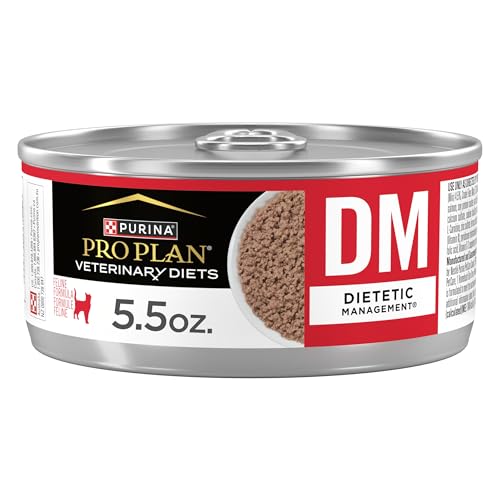
For most diabetic senior cats, our top pick is Hill’s Science Diet Adult 7+ Chicken & Brown Rice Recipe. It offers a balanced low-carb, high-protein formula that supports blood sugar stability. If your cat needs a wet food option, Purina Pro Plan Veterinary Diets DM Dietetic Management is an excellent choice. For budget-conscious owners, Fancy Feast Classic Pate provides a low-carb wet food that fits many diabetic cats’ needs.
What to consider for Senior Cat Food For Diabetic Cats
Senior cats with diabetes have unique nutritional needs. Their age often brings reduced kidney function, arthritis, and dental issues, so the diet must be easy to chew and digest. The primary goal is to manage blood glucose levels through a low-carbohydrate, high-protein, moderate-fat diet. Wet food is generally preferred because it has higher moisture content, which helps with urinary health and hydration. Look for foods with a named meat as the first ingredient and avoid those with added sugars or high-glycemic fillers like corn, wheat, or soy. Always consult your veterinarian before changing your cat’s diet, especially for a diabetic cat.
What to look for in a cat food
When choosing a senior cat food for a diabetic cat, look for an AAFCO statement that confirms it is complete and balanced for adult maintenance or senior life stage. The first ingredient should be a named meat source (e.g., chicken, turkey, fish) to ensure high animal protein. Adequate taurine is essential for heart and eye health. Moisture content is important; wet foods (at least 75% moisture) support urinary health and hydration. For diabetic cats, low carbohydrate levels (ideally under 10% on a dry matter basis) are beneficial. Also consider life-stage specific formulas that address senior needs like joint support and digestibility.
How we chose these picks
- We evaluated products based on nutritional profiles suitable for diabetic cats, focusing on low carbohydrate and high protein content.
- We prioritized foods with named meat as the first ingredient and minimal fillers.
- We considered AAFCO nutritional adequacy statements for the appropriate life stage.
- We reviewed ingredient lists for added sugars, artificial additives, and unnecessary grains.
- We compared price per serving to offer options across budgets.
- We selected a mix of dry and wet foods to accommodate different cat preferences.
- We relied on publicly available product information and established veterinary nutritional guidelines.
- Never ranked a product higher just because it pays a commission.
What to avoid
- Avoid foods with no named meat or low animal protein content, as cats need high-quality protein for blood sugar management.
- Steer clear of recipes deficient in taurine, which is essential for cats and can worsen health issues.
- Do not default to all-life-stages food for a senior cat without checking if it meets senior-specific needs like lower phosphorus for kidney health.
- Avoid abrupt diet switches; transition over 7 to 10 days to prevent digestive upset and blood sugar fluctuations.
For more guidance, explore our cat guides, cat food, and cat health resources.