Quick answer
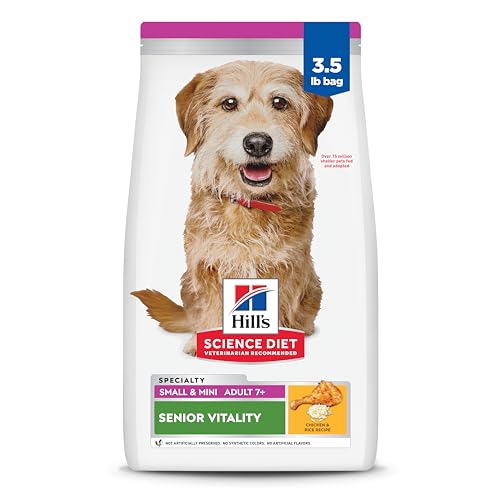
Our top pick is Hill’s Science Diet Senior Vitality Small & Mini Breed dry dog food, because it offers a balanced low-fat formula with optimal fiber and joint support, ideal for senior dogs with pancreatitis. For dogs needing a prescription-strength option, Royal Canin Veterinary Diet Gastrointestinal Low Fat is a strong runner-up. If you prefer a grain-inclusive budget choice, consider Purina Pro Plan Sensitive Skin & Stomach Salmon & Rice.
What to consider for Senior Dog Food For Pancreatitis Prone Dogs
Senior dogs with pancreatitis require a diet that is low in fat (typically under 10% dry matter basis), moderate in protein, and highly digestible to reduce pancreatic workload. Look for a named meat as the first ingredient, and avoid artificial additives. Joint support from glucosamine and chondroitin is beneficial for aging joints. Always consult your veterinarian before making dietary changes, as individual needs vary based on the severity of pancreatitis and other health conditions.
What to look for in a dog food
Choose a food that is AAFCO complete and balanced for senior dogs. The first ingredient should be a named meat source (e.g., chicken, salmon). Protein levels should be moderate (20 to 30% dry matter), with fat content ideally below 10% for pancreatitis-prone dogs. Calorie density should be moderate to prevent obesity. For small breeds, smaller kibble size is helpful. Look for added glucosamine and chondroitin for joint health, and omega-3 fatty acids for anti-inflammatory benefits. Avoid foods with excessive carbohydrates or fillers.
How we chose these picks
- Evaluated fat content and ensured it meets low-fat criteria for pancreatitis management.
- Checked ingredient lists for high-quality named proteins and absence of artificial preservatives.
- Reviewed nutritional adequacy statements to confirm they are complete and balanced for senior dogs.
- Considered brand reputation and adherence to WSAVA guidelines for manufacturing standards.
- Assessed suitability for small or large breeds where applicable.
- Included options across different price points to accommodate various budgets.
- Never ranked a product higher just because it pays a commission.
What to avoid
- Avoid foods with an unnamed “meat meal” as the sole protein source; opt for named meats like chicken meal or salmon meal.
- Do not default to grain-free recipes unless your vet advises; the FDA DCM investigation suggests grain-inclusive is safer for most dogs.
- Steer clear of all-life-stages foods for a large-breed puppy, as they may have inappropriate calcium levels.
- Avoid abrupt diet switches; transition over 7 to 10 days to prevent digestive upset.
Explore more of our guides: dog guides, dog food, dog health.


