Quick answer
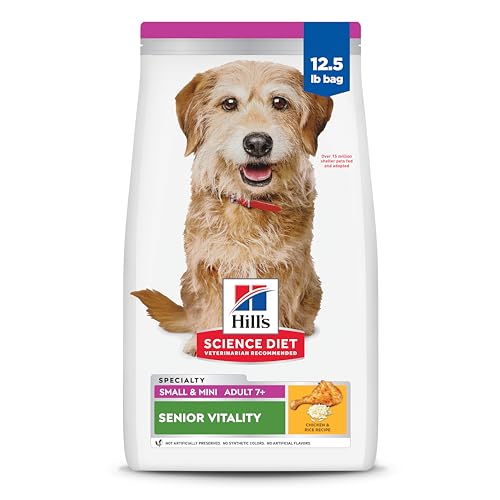
For most aging pugs, our top overall pick is Royal Canin Pug Adult dry food, which has kibble shaped for a brachycephalic jaw and a calorie level that suits a low to moderate activity small breed, though it is technically an adult rather than a senior labeled diet. If you want a true senior formula, Hill’s Science Diet Small Paws 7+ Senior is our pick for breed appropriate kibble size and controlled energy. For a sensitive stomach choose Purina Pro Plan Bright Mind Adult 7+ Small Breed, on a budget choose Diamond Naturals Small Breed Senior, and for a grain inclusive recipe choose Wellness Complete Health Senior. Always confirm any diet change with your own veterinarian, especially if your pug has a diagnosed condition.
What to consider for Senior Dog Food For Pug
Pugs are a small brachycephalic breed that is widely reported to be prone to weight gain, so calorie control is usually the single most important factor for a senior pug. A typical pug weighs roughly 14 to 18 pounds, and even a small amount of excess weight can add strain to already compromised breathing and to aging joints. We look for moderate calorie density and a kibble size a flat faced dog can pick up easily. Pugs are also prone to eye issues and skin fold concerns, so recipes with omega fatty acids may help support skin and coat, though food alone is not a treatment. Because seniors are often less active, portion discipline matters more than the specific brand. If your pug has any breathing, eye, dental, or joint condition, treat diet as one part of a plan your veterinarian directs.
What to look for in a dog food
Look first for an AAFCO complete and balanced statement for the correct life stage. For a senior pug that means a food labeled for adult maintenance or for all life stages, since there is no separate AAFCO senior profile. Choose a recipe with a named meat as the first ingredient, such as chicken, lamb, salmon, or turkey, rather than a vague meat meal. As a practical guide many adult small breed maintenance foods land around 18 to 30 percent protein and 10 to 18 percent fat on a dry matter basis, with calorie density that lets you keep your pug lean. These are general ranges, not medical rules, and your vet may advise something different. Pick a small breed formula so the kibble size and calorie density fit a 14 to 18 pound dog, and favor recipes that include omega 3 and 6 fatty acids and joint support ingredients such as glucosamine and chondroitin where relevant, while remembering these support claims are not guaranteed outcomes.
How we chose these picks
- We prioritized recipes carrying an AAFCO complete and balanced statement for adult or all life stages.
- We favored a clearly named meat as the first listed ingredient over generic meat meals.
- We checked that calorie density and kibble size suit a small low to moderate activity breed like the pug.
- We looked for omega fatty acids and joint support ingredients that may help aging small dogs.
- We cross referenced the FDA animal food recall list and gave no spot to a currently recalled product.
- We compared against established guidance from AAFCO and the WSAVA rather than marketing claims.
- We weighed real owner feedback for stool quality and palatability while ignoring unverifiable hype.
- Never ranked a product higher just because it pays a commission.
What to avoid
- An unnamed meat meal listed as the only protein source, with no named animal protein anywhere on the label.
- Defaulting to grain free or legume heavy recipes. The FDA investigation into a potential link between certain diets and canine dilated cardiomyopathy is ongoing, and grain inclusive is the safer default unless your veterinarian advises otherwise.
- Feeding an all life stages food to a large breed puppy, since the calcium and energy levels can be wrong for big puppies even though that is not a pug specific risk.
- Abrupt diet switches. Transition over 7 to 10 days by slowly mixing the new food into the old to reduce the chance of stomach upset.
For more breed and feeding help, browse our dog guides, our dog food roundups, and our dog nutrition articles.