Quick answer
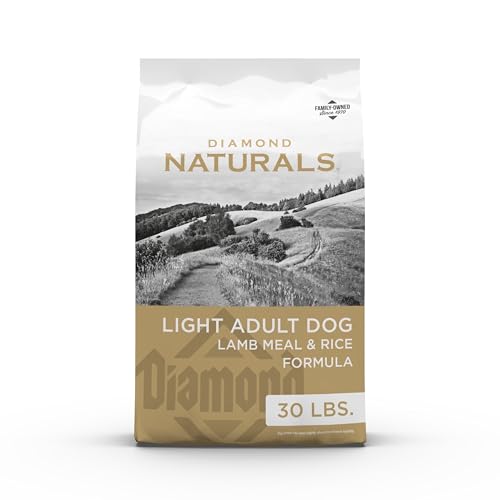
Our top pick is Purina Pro Plan Bright Mind Adult 7+ Salmon & Rice Formula. It provides balanced nutrition for senior dogs with salmon as the first ingredient, no chicken, and includes DHA to support cognitive function. For dogs with sensitive stomachs, Hill’s Science Diet Adult 7+ Sensitive Stomach & Skin Salmon & Rice is a great alternative. If you need a budget-friendly option, Diamond Naturals Senior Dog Food Lamb & Rice offers quality ingredients at a lower price.
What to consider for Senior Dog Food Without Chicken
Senior dogs often have reduced activity levels, joint issues, and changing digestive needs. When choosing a chicken-free diet, look for alternative animal proteins like salmon, lamb, or turkey. These provide essential amino acids while avoiding common allergens. Additionally, senior formulas should include glucosamine and chondroitin for joint health, omega-3 fatty acids for skin and coat, and controlled calorie levels to prevent weight gain. Always consult your veterinarian before making dietary changes, especially for dogs with health conditions.
What to look for in a dog food
First, ensure the food is AAFCO complete and balanced for the adult maintenance or senior life stage. Look for a named meat source (e.g., salmon, lamb, or turkey) as the first ingredient. Protein content should be moderate, around 20 to 25% dry matter, to support muscle mass without overloading kidneys. Fat levels should be 10 to 15% for energy, with omega-3 fatty acids from fish oil or flaxseed. Calorie density matters: aim for 300 to 400 kcal per cup to prevent obesity. For large breeds, kibble size and shape should accommodate slower eating. Joint supplements like glucosamine and chondroitin are beneficial. Avoid foods with excessive fillers or artificial additives.
How we chose these picks
- Evaluated ingredient lists to ensure no chicken or chicken by-products.
- Verified AAFCO nutritional adequacy statements for adult/senior life stages.
- Prioritized named animal protein sources as the first ingredient.
- Considered inclusion of joint-supporting nutrients like glucosamine and chondroitin.
- Checked for omega-3 fatty acids for cognitive and coat health.
- Reviewed calorie and fat levels to suit less active senior dogs.
- Selected products from reputable brands with strong quality control.
- Never ranked a product higher just because it pays a commission.
What to avoid
- A food with unnamed “meat meal” as the only protein source, as it may contain chicken.
- Grain-free formulas unless your vet recommends them; the FDA continues investigating a potential link between grain-free diets and canine dilated cardiomyopathy.
- All-life-stages formulas for large-breed seniors, as they may not meet specific senior nutritional needs.
- Abrupt diet switches; transition over 7 to 10 days by mixing old and new food.
For more guidance, explore our dog guides, dog food, and dog nutrition sections.