Quick answer
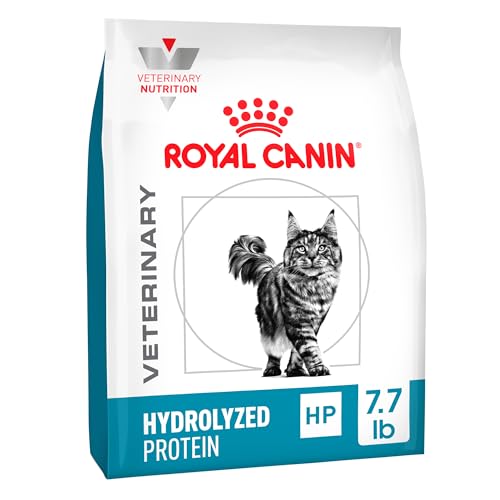
Our top pick is Hill’s Science Diet Adult Sensitive Stomach & Skin because it combines prebiotic fiber for digestive health with natural ingredients that are gentle on the stomach. For cats with severe food sensitivities, Royal Canin Veterinary Diet Hydrolyzed Protein is a vet-recommended option, though it requires a prescription. Budget-conscious owners can consider Purina Pro Plan Sensitive Skin & Stomach.
What to consider for Sensitive Stomach Cat Food For Vomiting Cats
Vomiting in cats can stem from food allergies, intolerances, or simply eating too fast. When choosing a food, prioritize limited ingredient formulas with a single novel protein source (like duck or venison) to minimize allergic reactions. Also, look for easily digestible carbohydrates such as rice or oatmeal, and avoid common irritants like corn, wheat, soy, and artificial additives. Wet food often helps because it provides hydration and is easier to digest, but dry kibble can be beneficial for dental health. Always transition slowly over 7 to 10 days to avoid further upset.
What to look for in a cat food
First, ensure the food is AAFCO complete and balanced for your cat’s life stage (kitten, adult, or senior). Look for a named meat source (e.g., chicken, salmon) as the first ingredient, indicating high animal protein. Taurine is an essential amino acid for cats; it must be present in adequate amounts. Moisture content matters: wet food (around 78% moisture) supports urinary health, while dry food (about 10% moisture) is more calorie-dense. Finally, choose a formula tailored to your cat’s specific needs, such as sensitive stomach, weight management, or hairball control.
How we chose these picks
- Reviewed ingredient lists for named protein sources and limited fillers.
- Checked for AAFCO nutritional adequacy statements.
- Considered brand reputation and history of quality control.
- Evaluated customer feedback for digestibility and palatability.
- Prioritized formulas with prebiotics or probiotics for gut health.
- Excluded products with artificial colors, flavors, or preservatives.
- Compared price per pound to ensure value.
- Never ranked a product higher just because it pays a commission.
What to avoid
- Foods with unnamed meat sources (e.g., “meat meal”) or very low animal protein content.
- Recipes that do not guarantee taurine levels, as deficiency can cause serious health issues.
- Using an all-life-stages food for a senior or kitten without checking if it meets their specific nutritional needs.
- Abrupt diet switches; always transition slowly to prevent digestive upset.
For more guidance, explore our cat guides, cat food articles, and cat health resources.