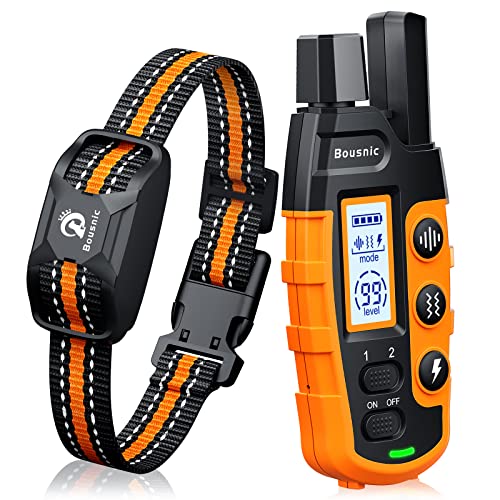
Finding the right training collar for a small dog requires careful consideration, not all collars fit well or have appropriate stimulation levels. Our team reviewed dozens of models, focusing on receiver size, adjustable intensity, and range. We also dug into owner feedback to see which ones hold up over time. In this guide, we present our top picks for 2026: four collars that stood out in our evaluation. Each pick is chosen for its strengths, whether it’s the best overall value, the most compact design, or the longest range for small pups. We’ll help you decide which one fits your training needs.
Sources and further reading
What matters most for small dogs
Many trainers and vets now prefer the term electronic or static collar, and for small dogs the most important feature is a very low minimum stimulation level. A toy breed reacts to a fraction of the intensity a large dog needs, so look for fine, single step increments and the option to use tone or vibration only. A snug but light contact strap matters too, since a heavy box can chafe a slim neck.
Used badly, these tools create fear rather than learning, so they suit specific recall or boundary problems, not everyday obedience. Always fit two fingers under the strap, never leave it on for long sessions, and pair any correction with a clear command and reward. If your small dog is anxious or reactive, speak to a qualified behaviourist first, as static tools can worsen those issues.


