Help Your Dog Heal: Best Slow Feeder Bowls After Surgery 2026
Post-surgery dogs need gentle feeding. The shallow, soft-ridged Outward Hound Fun Feeder Slo Bowl prevents gulping and vomiting, protecting sutures. Compare 5 top picks for a safe recovery.
Some links below are affiliate links. If you buy through them we may earn a small commission at no extra cost to you. Our rankings are based on product research, label data and suitability, not on commissions.
Best Overall: Outward Hound Fun Feeder Slo Bowl (Small/Medium, Teal). This bowl's spiral maze design effectively slows eating by up to 10 times, reducing gulpin.
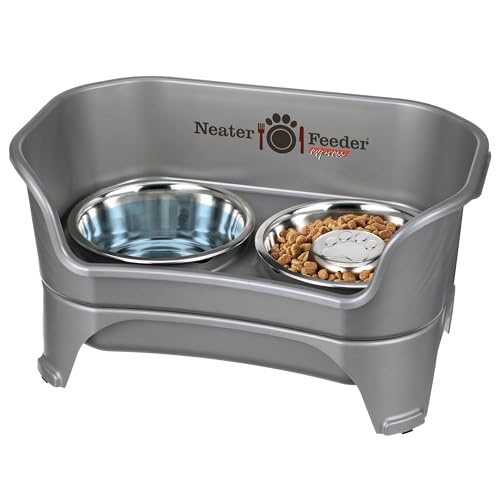
Best for Facial Surgery: Neater Feeder Express Slow Feed Dog Bowl. Its shallow, wide design with gentle raised bumps allows dogs with facial sutures to eat w.
Best for Small Breeds: PetSafe SlimCat Slow Feed Bowl (for small dogs). Designed for small dogs, this bowl features a simple raised pattern that slows eating with.
Best Stainless Steel: Lixit Slow Feed Dog Bowl (Stainless Steel). This bowl uses a stainless steel insert with a raised center to slow eating, and the outer.
Best Budget: BPA Free Slow Feeder Dog Bowl by Van Ness (Large). An affordable option with a simple maze pattern and non-slip base.
Quick answer
The Outward Hound Fun Feeder Slo Bowl is our top pick for dogs after surgery because its maze design slows eating by up to 10 times, reducing gulping and vomiting. For dogs with facial sutures, the Neater Feeder Express is a better choice due to its shallow, wide design. The PetSafe SlimCat (for small dogs) offers a simple raised pattern ideal for delicate eaters.
What to consider for Slow Feeder Dog Bowl For Dogs After Surgery
Post-surgery dogs often have reduced mobility, tender incisions, or facial sutures. A slow feeder bowl should be shallow enough to avoid neck strain, non-slip to prevent sliding, and easy to clean to prevent infection. Materials like stainless steel or BPA-free plastic are preferred. The maze or ridge pattern should be gentle enough not to irritate the dog’s mouth or nose. Consider the bowl’s height: elevated bowls can help dogs with neck or back surgery, while flat bowls suit dogs with facial procedures. Always consult your vet before introducing a new bowl.
What to look for in a slow feeder dog bowl for dogs after surgery
Look for a bowl that is shallow (under 2 inches deep) to minimize neck bending, with soft, rounded ridges that won’t scrape sensitive skin. Non-slip base is critical to prevent the bowl from moving during eating. Dishwasher-safe materials simplify sanitization. For dogs with jaw surgery, a bowl with a very gentle slope or a flat plate may be better than a deep maze. Some bowls offer adjustable flow rates, which can be useful as the dog heals. Avoid bowls with sharp edges or complex patterns that trap food and bacteria.
How we chose these picks
Evaluated bowl depth and ridge height for post-surgery comfort
Checked non-slip base effectiveness on tile and hardwood
Reviewed material safety (BPA-free, food-grade, dishwasher safe)
Considered ease of cleaning to prevent infection risks
Assessed suitability for different surgery types (abdominal, facial, orthopedic)
Compared price and durability across brands
Read verified buyer feedback for post-surgery use
Never ranked a product higher just because it pays a commission
What to avoid
Bowls with deep, narrow compartments that require excessive head tilting
Rough or sharp edges that could irritate sutures or incisions
Non-slip bases that are weak or wear out quickly
Materials that are not dishwasher safe, making thorough cleaning difficult
Bowls that are too small, causing the dog to eat too fast despite the maze
Post-surgery dogs often experience nausea and reduced appetite; slow feeder bowls help by preventing gulping and vomiting, which can strain sutures. The ideal bowl is shallow, with soft ridges, and easy to clean.
The Options
Types Explained
Maze Slow Feeders
Bowls with intricate patterns that force the dog to navigate around obstacles to reach food.
Best for: Dogs that gulp food quickly and need maximum slowing, but may not suit dogs with facial sutures.
Raised Center Feeders
Bowls with a raised mound in the center, creating a ring for food placement.
Best for: Dogs that need moderate slowing and have good neck mobility; easier to clean than maze bowls.
Shallow Plate Feeders
Flat or very shallow bowls with low bumps or ridges.
Best for: Dogs with facial surgery or sensitive mouths, as they minimize nose contact.
Elevated Slow Feeders
Slow feeder bowls mounted on a stand to raise the bowl off the floor.
Best for: Dogs with neck, back, or leg surgery who benefit from a raised eating position to reduce strain.
The Rankings
Top 5 Picks
#1
Best Overall
Outward Hound Fun Feeder Slo Bowl (Small/Medium, Teal)
View on Amazon
This bowl's spiral maze design effectively slows eating by up to 10 times, reducing gulping and vomiting common after surgery. Made from BPA-free, dishwasher-safe plastic with a non-slip base. However, the ridges may be too high for dogs with facial sutures, and some dogs find the pattern frustrating.
Its shallow, wide design with gentle raised bumps allows dogs with facial sutures to eat without rubbing their nose. The non-slip base and easy-clean stainless steel insert are ideal for hygiene. A downside is that it is less effective at slowing very fast eaters compared to deeper mazes.
Designed for small dogs, this bowl features a simple raised pattern that slows eating without deep compartments. It is shallow and lightweight, making it easy to position. However, it may not be suitable for medium or large dogs, and the non-slip grip can weaken over time.
This bowl uses a stainless steel insert with a raised center to slow eating, and the outer ring catches spills. It is dishwasher safe and durable. The trade-off is that the design is less intricate than plastic mazes, so it may not slow extremely fast eaters as effectively.
An affordable option with a simple maze pattern and non-slip base. It is made from BPA-free plastic and is top-rack dishwasher safe. The main limitation is that the ridges are relatively low, so it may not sufficiently slow determined gulpers, and the plastic can scratch over time.
Shallow bowls (under 2 inches) reduce neck bending and are safer for dogs with neck or back surgery. Deep bowls can strain sutures.
02
Ridge Height and Texture
Rounded, soft ridges prevent irritation to the nose or mouth. Avoid sharp edges that could catch on sutures.
03
Non-Slip Base
A strong non-slip base prevents the bowl from sliding, which is crucial for dogs with limited mobility or coordination post-surgery.
04
Material Safety
Choose BPA-free plastic, stainless steel, or ceramic. Dishwasher-safe materials allow thorough cleaning to prevent infection.
05
Ease of Cleaning
Bowls that are dishwasher safe or have smooth surfaces are easier to sanitize. Avoid complex patterns that trap food and bacteria.
Living With It
Care, Cost and Maintenance
Daily Cleaning
Rinse the bowl after each meal and wash with warm soapy water or in the dishwasher if dishwasher safe. Ensure all food particles are removed from ridges to prevent bacterial growth.
Sanitizing
Weekly, sanitize the bowl by soaking in a diluted bleach solution (1 tablespoon bleach per gallon of water) for 5 minutes, then rinse thoroughly. Alternatively, run through a dishwasher's sanitize cycle.
Inspection for Damage
Regularly check for cracks, sharp edges, or worn non-slip feet. Replace the bowl if damaged to avoid injury to your dog's mouth or sutures.
Pro tip
Place the slow feeder bowl on a non-slip mat to further stabilize it, and consider using a puzzle feeder that dispenses kibble slowly to combine mental stimulation with controlled eating.
Frequently asked questions
How do slow feeder bowls help dogs after surgery?
After surgery, dogs may be on medications that cause nausea or have reduced appetite. Slow feeder bowls prevent gulping, which can lead to vomiting, bloating, or aspiration. By forcing the dog to eat slowly, these bowls reduce the risk of regurgitation and allow the dog to eat smaller, more manageable amounts. This is especially important for dogs with abdominal surgery, as vomiting can strain sutures. Additionally, the mental stimulation of navigating the maze can distract from discomfort.
Are slow feeder bowls safe for dogs with facial sutures?
It depends on the bowl design. Bowls with high, narrow ridges can rub against the nose or muzzle, irritating sutures. For dogs with facial surgery, choose a shallow bowl with low, rounded bumps or a flat plate with a raised center. The Neater Feeder Express is a good example. Always monitor your dog's first few meals to ensure the bowl does not cause discomfort. If you notice rubbing, switch to a different design.
Can I use a slow feeder bowl for wet food?
Yes, but it may be messier. Wet food can stick in the ridges, making cleaning more difficult. Some bowls are designed specifically for wet food with wider channels. If using wet food, choose a bowl with smooth, easy-to-clean surfaces. Stainless steel bowls with a raised center work well. Ensure the bowl is cleaned immediately after use to prevent bacterial growth.
How do I clean a slow feeder bowl thoroughly?
Most slow feeder bowls are dishwasher safe (top rack) or can be hand washed with a bottle brush to reach crevices. For plastic bowls, avoid abrasive scrubbers that can scratch and create hiding spots for bacteria. If hand washing, use hot water and dish soap, and rinse well. Weekly sanitizing with a diluted bleach solution or in the dishwasher's sanitize cycle is recommended, especially for post-surgery dogs with weakened immune systems.
What material is best for a slow feeder bowl after surgery?
Stainless steel is the most hygienic as it is non-porous and dishwasher safe. However, it can be noisy and may not have non-slip bases as effective as silicone. BPA-free plastic is lightweight and often has better non-slip features, but it can scratch over time. Ceramic is heavy and stable but can chip. For post-surgery, stainless steel or high-quality BPA-free plastic are good choices. Avoid melamine or unknown plastics.
How long should I use a slow feeder bowl after surgery?
Use the bowl for at least the full recovery period recommended by your vet, typically 2 to 6 weeks. Some dogs may benefit from continued use if they are prone to gulping. Once your dog is fully healed and eating normally, you can transition to a regular bowl if desired. However, many owners continue using slow feeders to promote healthy eating habits.
Can a slow feeder bowl help with post-surgery nausea?
Indirectly, yes. By slowing eating, the bowl reduces the amount of air swallowed, which can decrease bloating and discomfort. Smaller, slower meals are easier on the stomach and may help reduce nausea. However, if your dog is experiencing significant nausea, consult your vet for medication or dietary changes. The bowl is a tool, not a cure.
Are there any risks with using a slow feeder bowl after surgery?
The main risk is if the bowl causes frustration or stress, leading to reduced food intake. Some dogs may paw at the bowl or try to flip it, which could strain sutures. Choose a bowl with a heavy, non-slip base. Also, ensure the bowl is not too deep, as bending down can strain neck or back incisions. Always supervise initial use and consult your vet if you have concerns.
What size slow feeder bowl should I get for my dog after surgery?
Choose a size appropriate for your dog's regular portion. The bowl should hold at least the full meal without overflowing. For post-surgery, a bowl that holds 2 to 4 cups is typical for medium dogs. Avoid oversized bowls that encourage the dog to eat too much at once. Measure your dog's daily food amount and select a bowl that fits it comfortably.
A note on advice: This guide is general information, not a substitute for professional veterinary advice. Talk to your vet before changing your dog's diet or care routine, especially if your dog has allergies, kidney disease, pancreatitis, obesity, heart disease or any other medical condition.
Transparency
How we made this guide
How we chose. We compared the options on the factors that matter most for Dog Care Products, using manufacturer specifications, aggregated verified owner reviews and editorial comparison. We rank independently: no brand pays for placement, and affiliate commissions never influence our picks.
How it was written. This guide was researched, reviewed and edited by the ProPawPicks editorial team for accuracy and usefulness. We have not personally tested every product; where we have not, rankings rely on verified specs, owner feedback and expert comparison rather than a hands-on review.
Affiliate disclosure. ProPawPicks is reader-supported. If you buy through links on our site, we may earn a commission at no extra cost to you. See our affiliate disclosure.
Some links below are affiliate links. If you buy through them we may earn a small commission at no extra cost to you. Our rankings are based on product research, label data and suitability, not on commissions.