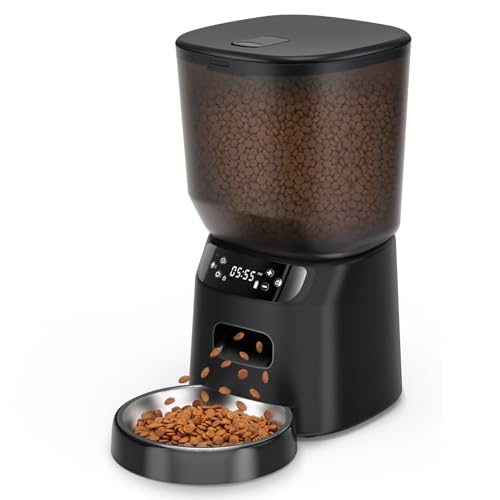
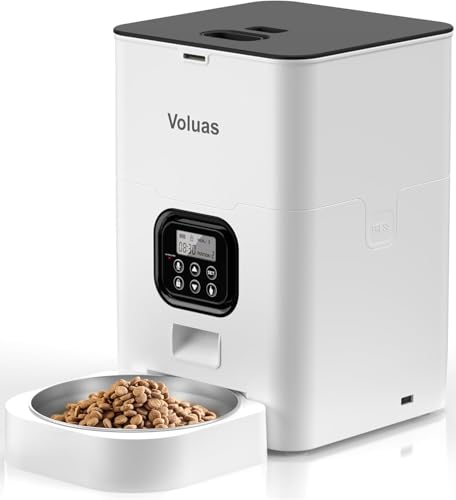
As cat owners ourselves, we know allergies can make mealtime stressful. We reviewed five automatic feeders, focusing on designs that minimize dust and allergen leakage. Our team examined sealing mechanisms, bowl materials, and ease of cleaning-key factors for allergy control. We looked for airtight seals to keep kibble fresh and reduce airborne particles. Stainless steel bowls were prioritized as they are non-porous and easier to sanitize. Each pick balances allergy-friendly features with reliable automation, so you and your cat can breathe easier.
Sources and further reading
What matters most for allergies
When choosing an automatic cat feeder for allergies, prioritize models with airtight seals and hypoallergenic materials to prevent allergen buildup. Look for feeders with removable, dishwasher-safe parts to eliminate dust, dander, and food residue that can trigger reactions. Avoid feeders with complex crevices or porous surfaces where allergens can accumulate. A simple, smooth design reduces cleaning effort and ensures your cat’s meals stay contaminant-free. This matters because allergens lingering in the feeder can worsen symptoms like sneezing or itchy eyes for both pets and owners.
Opt for feeders with portion control to avoid overfeeding, which can lead to obesity and exacerbate allergy-related inflammation. Avoid models with plastic components that may harbor bacteria or emit odors, as these can irritate sensitive respiratory systems. A stainless steel or ceramic food bowl is ideal for easy cleaning and allergen resistance. For multi-cat households, choose separate feeders to prevent cross-contamination of allergens. A well-maintained feeder reduces the risk of mold or mites, common allergy triggers that thrive in damp, neglected environments.