Quick answer
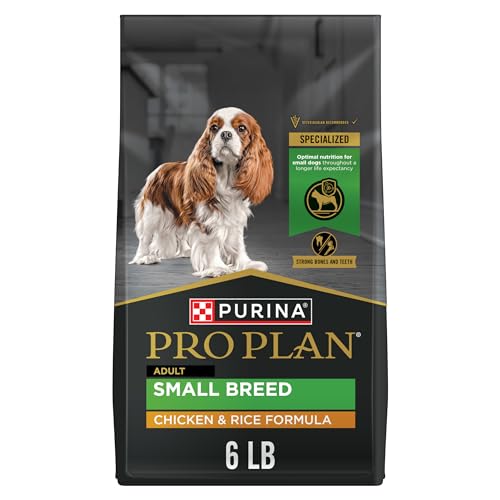
Our top pick is Royal Canin Small Breed Adult Dry Dog Food, because it offers a precise nutrient profile for small breeds with moderate protein and fat to help manage heat production. For a budget-friendly option, Purina Pro Plan Small Breed Chicken & Rice Formula provides complete nutrition at a lower cost. If your dog has a sensitive stomach, Hill’s Science Diet Small & Toy Breed Sensitive Stomach & Skin is an excellent choice.
What to consider for Small Breed Dog Food For Dogs That Overheat
Dogs that overheat may benefit from a diet that is not excessively high in protein or fat, as these nutrients generate more metabolic heat. Small breeds have faster metabolisms and may be more prone to heat stress. Look for foods with moderate calorie density to avoid excess weight, which can worsen overheating. Adequate moisture content (from wet food or added water) can also help with hydration. Omega-3 fatty acids from fish oil may support skin and coat health, and antioxidants can aid overall immune function. Always consult your veterinarian for personalized advice.
What to look for in a dog food
Choose a food that is AAFCO complete and balanced for your dog’s life stage (adult, puppy, or senior). The first ingredient should be a named meat source like chicken, lamb, or fish. For dogs that overheat, aim for moderate protein (around 22 to 28% dry matter) and moderate fat (around 12 to 16%) to reduce metabolic heat. Calorie content should be appropriate for small breeds, typically 350 to 400 kcal per cup. Ensure the kibble size is suitable for small jaws. Look for added omega-3 and omega-6 fatty acids for skin health, and glucosamine and chondroitin for joint support if needed. Grain-inclusive formulas are generally recommended unless a vet advises otherwise.
How we chose these picks
- We evaluated products based on nutritional adequacy for small breed dogs.
- We prioritized formulas with moderate protein and fat levels to help manage heat production.
- We considered ingredient quality, including named meat sources and absence of artificial additives.
- We reviewed brand reputation and adherence to AAFCO standards.
- We looked for added beneficial nutrients like omega fatty acids and antioxidants.
- We considered price and availability on Amazon.
- We read customer feedback to identify common experiences, but did not rely on it as a primary factor.
- Never ranked a product higher just because it pays a commission.
What to avoid
- Avoid foods with unnamed “meat meal” as the primary protein source, as quality can vary.
- Do not default to grain-free or legume-heavy recipes unless your vet recommends it, due to the FDA’s ongoing investigation into a potential link with canine dilated cardiomyopathy (DCM).
- Steer clear of all-life-stages foods for small breed puppies, as they may not have the right calcium-to-phosphorus ratio.
- Avoid abrupt diet switches; transition over 7 to 10 days to prevent digestive upset.
For more guidance, check out our dog guides, dog food, and dog health resources.