Quick answer
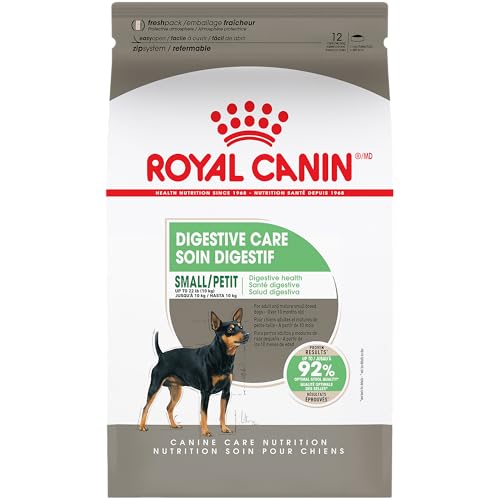
Our top pick is Royal Canin Small Breed Digestive Care, which combines highly digestible proteins with prebiotic fibers to promote firm stools. For a budget-friendly option, Purina Pro Plan Small Breed Sensitive Skin & Stomach offers a similar focus on digestibility. If your dog prefers grain-inclusive recipes, Hill’s Science Diet Small & Toy Breed Sensitive Stomach & Skin is an excellent choice.
What to consider for Small Breed Dog Food For Loose Stools
Small breed dogs have faster metabolisms and smaller digestive tracts, making them prone to loose stools. When selecting a food, focus on high digestibility, moderate fat content (around 12 to 17 percent dry matter), and inclusion of prebiotic fibers like beet pulp or chicory root. Avoid excessive protein levels that can upset digestion. Always transition foods gradually over 7 to 10 days and consult your veterinarian if loose stools persist.
What to look for in a dog food
Look for a statement from AAFCO confirming the food is complete and balanced for your dog’s life stage (adult maintenance or growth). The first ingredient should be a named meat source (chicken, lamb, salmon). For small breeds, kibble size matters; choose small-kibble formulas. Protein should be around 22 to 30 percent, fat 12 to 17 percent, and fiber 3 to 5 percent. Omega-3 fatty acids from fish oil can support skin and coat health. Avoid recipes with unnamed meat meals or excessive legumes.
How we chose these picks
- Evaluated ingredient lists for highly digestible proteins and limited fillers.
- Checked for added prebiotics or probiotics to support gut health.
- Ensured kibble size is appropriate for small breeds.
- Reviewed nutritional profiles to match AAFCO guidelines for small breed adults or puppies.
- Considered brand reputation and manufacturing quality controls.
- Included options across price points to suit different budgets.
- Never ranked a product higher just because it pays a commission.
What to avoid
- Avoid foods with unnamed “meat meal” as the primary protein source.
- Be cautious with grain-free or legume-heavy recipes; the FDA is investigating a potential link to DCM. Grain-inclusive diets are generally safer unless your vet advises otherwise.
- Do not feed all-life-stages food to a small breed puppy unless specifically formulated for growth.
- Never abruptly switch foods; always transition over a week to prevent digestive upset.
For more guidance, explore our dog guides, dog food advice, and dog health tips.


