Quick answer
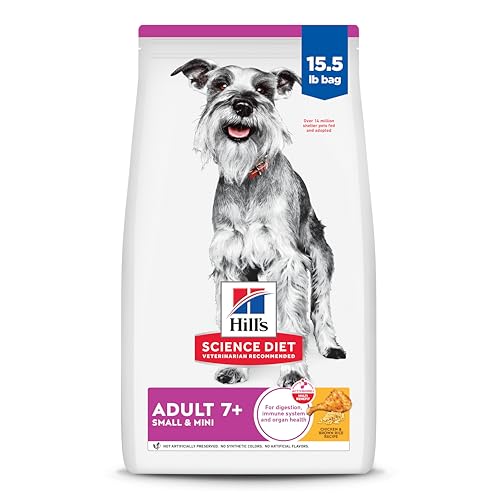
Our top pick is Royal Canin Small Senior Consultative Support Dry Dog Food. It is tailored for small breed seniors with joint support and highly digestible proteins. For a more budget-friendly option, Purina Pro Plan Bright Mind Small Breed Senior Formula offers brain-health nutrients. If your dog has a sensitive stomach, Hill’s Science Diet Small & Toy Breed Senior 7+ is an excellent choice.
What to consider for Small Breed Dog Food For Senior Small Dogs
Senior small dogs have unique needs: they often require fewer calories to prevent weight gain, higher quality protein to maintain muscle mass, and added joint support for mobility. Smaller kibble size is important for their tiny mouths. Look for foods with glucosamine and chondroitin, omega-3 fatty acids for cognitive health, and easily digestible ingredients. Always choose a formula specifically labeled for senior or mature small breeds.
What to look for in a dog food
Ensure the food meets AAFCO nutrient profiles for adult maintenance or senior (some brands have senior-specific profiles). The first ingredient should be a named meat source like chicken or lamb. Protein content around 25 to 30% on a dry matter basis is typical for seniors; fat should be moderate (12 to 16%) to avoid obesity. Fiber can help with digestion, around 3 to 5%. Added glucosamine and chondroitin support joints, while omega-3s (from fish oil) aid skin and coat health. Avoid excessive calcium for small breeds.
How we chose these picks
- Evaluated ingredient lists for named protein sources and absence of artificial additives.
- Checked that each product is specifically formulated for small breed senior dogs.
- Reviewed guaranteed analysis to ensure appropriate protein, fat, and fiber levels.
- Considered brand reputation and adherence to AAFCO feeding-data reviews or formulation.
- Read customer feedback for palatability and digestive tolerance in senior small dogs.
- Compared price per pound to provide options across budgets.
- Never ranked a product higher just because it pays a commission.
What to avoid
- Avoid foods with unnamed “meat meal” as the primary protein source; look for named meals like chicken meal.
- Be cautious with grain-free diets unless recommended by your vet, due to the FDA investigation into a potential link with canine dilated cardiomyopathy (DCM). Grain-inclusive is generally safer for most dogs.
- Do not choose an all-life-stages food for a senior small dog, as it may not meet their specific nutritional needs.
- Avoid abrupt diet changes; transition over 7 to 10 days to prevent digestive upset.
For more guidance, check our dog guides and explore dog food or dog health resources.