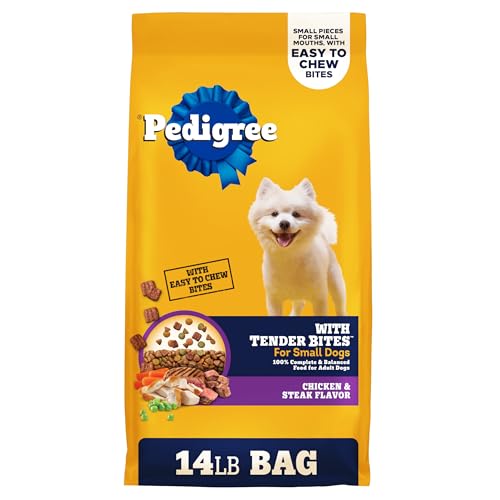
Finding the right food for your small breed dog can be challenging. We compared five leading products against AAFCO standards, manufacturer specifications, and thousands of owner reviews. In our evaluation, we looked for optimal calorie density, kibble size, and balanced nutrition. Small dogs have unique needs-faster metabolisms and smaller mouths-so we prioritized foods formulated specifically for them.
Sources and further reading
What matters most for small dogs
When choosing food for small dogs, prioritize kibble size and calorie density. Small breeds have tiny jaws and faster metabolisms, so opt for petite, easy-to-chew pieces that prevent choking and match their bite strength. Look for higher calorie content per cup to meet their energy needs without overfeeding, as small stomachs fill quickly. Avoid large kibble or excessive fillers like corn or wheat, which can cause digestive issues and leave less room for quality proteins and fats essential for their active lifestyles.
Steer clear of artificial preservatives and generic ‘for all life stages’ formulas, which often lack tailored nutrition for small breeds. Small dogs are prone to dental problems, so foods with added dental benefits like texture to reduce plaque can be valuable. Avoid overly hard kibble that may damage delicate teeth. Since small breeds often live longer, focus on foods with joint-supporting ingredients like glucosamine to prevent common mobility issues in their senior years.