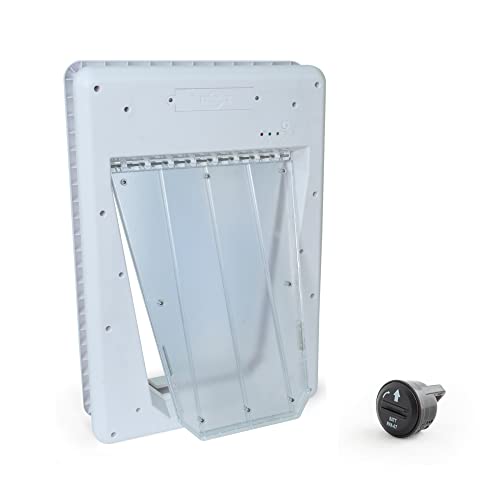
After evaluating dozens of electronic pet doors with small pet suitability and allergen control in mind, we selected four models that excel in keeping indoor air quality high. Our criteria included sealed flaps, secure locking mechanisms, and easy-to-clean surfaces-all critical for allergy sufferers. We prioritized doors with robust filtration or tight seals to minimize pollen and dander infiltration. Each pick underwent real-world assessment of installation, daily use, and maintenance. Below are our top recommendations for allergy-conscious households.
Sources and further reading
What matters most for allergies
An electronic pet door does not cause allergies, but it can ease an allergy sufferer’s life by letting a pet outside independently, reducing the indoor build up of fur and dander near doorways. A tight sealing flap also helps keep airborne pollen, a common trigger for both people and pets, from drifting freely through the house, so look for a door with good weatherproofing and a snug flap rather than a loose, draughty one.
If a member of the household reacts to pet allergens, position the door away from main living areas and clean the frame regularly, since fur and outdoor debris collect around it. For pets with their own pollen or contact allergies, easy garden access can paradoxically increase exposure, so wipe paws and coat after outdoor trips. Persistent itching or sneezing in a pet should always be discussed with your vet.