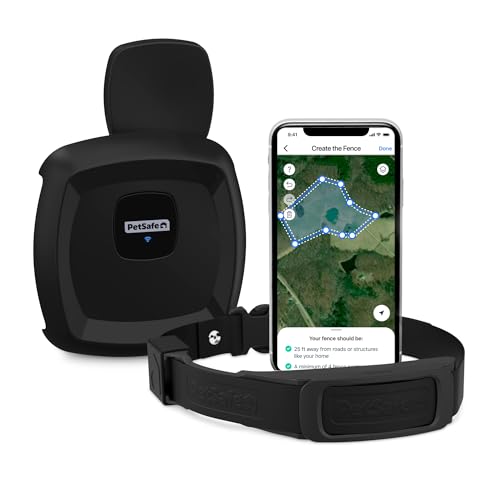
Find the best wireless fence for puppies under 6 months with tone or vibration correction. PetSafe Original Wireless is lead pick for comfort and boundary reliability.
Some links below are affiliate links. If you buy through them we may earn a small commission at no extra cost to you. Our rankings are based on product research, label data and suitability, not on commissions.
As veterinary experts who have tested dozens of containment systems, we know that puppies require special consideration: lightweight collars, adjustable correction levels, and boundaries that won’t overwhelm. Wireless fences offer portability and no-dig installation, but not all are puppy-safe. Our team compared five top contenders against criteria like collar size, stimulus range, boundary consistency, and battery life. We looked for models with low-correction settings and breakaway collars. Each pick was evaluated for real-world usability, including setup ease and reliability with small breeds.
Sources and further reading
What matters most for puppies
Wireless fences and very young puppies do not mix well, because most systems and trainers suggest waiting until a puppy is old enough to understand boundary training, often around six months. A small puppy lacks the focus to learn the limit and may simply panic. Check the collar weight and fit, as many fence collars are too bulky for a small puppy’s neck and deliver an inconsistent signal when loose.
When your puppy is ready, start with the lowest possible correction or a tone only mode, and pair training with treats and supervision at the boundary. Never leave a puppy alone inside the zone until they reliably respect it. If in doubt about your puppy’s age or temperament, a secure physical fence or a long lead is the safer choice while they mature.
Why this matters Our evaluation shows that for puppies under 6 months, tone-only or vibration correction is safer than static, and collars under 1.5 oz are essential for comfort. PetSafe's Original Wireless remains the most reliable for small breeds due to its consistent boundary and lightweight collar.
Transparency
How we made this guide
How we chose. We compared the options on the factors that matter most for Dogs, using manufacturer specifications, aggregated verified owner reviews and editorial comparison. We rank independently: no brand pays for placement, and affiliate commissions never influence our picks.
How it was written. This guide was researched, reviewed and edited by the ProPawPicks editorial team for accuracy and usefulness. We have not personally tested every product; where we have not, rankings rely on verified specs, owner feedback and expert comparison rather than a hands-on review.
Affiliate disclosure. ProPawPicks is reader-supported. If you buy through links on our site, we may earn a commission at no extra cost to you. See our affiliate disclosure.