Quick answer
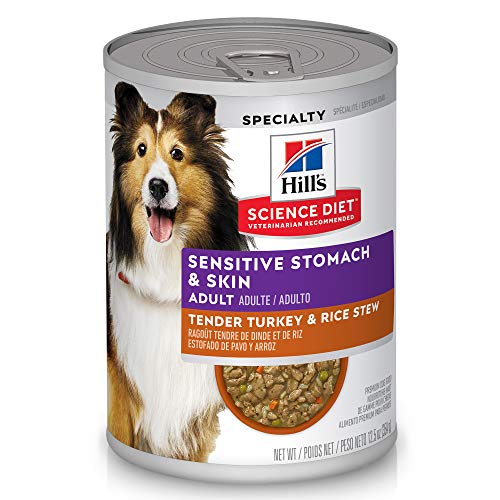
Our top pick is Purina Pro Plan Turkey & Barley for its balanced protein and fat levels that support sustained energy without overheating. It’s also fortified with glucosamine for joint health on longer walks. For dogs with sensitive stomachs, Hill’s Science Diet Sensitive Stomach & Skin Turkey is a close runner-up. If you’re on a budget, Diamond Naturals Turkey & Rice offers excellent nutrition at a lower price.
What to consider for Turkey Dog Food For Summer Walks
Summer walks demand a dog food that provides steady energy without causing digestive upset or excessive thirst. Turkey is a lean, easily digestible protein that helps maintain muscle mass while keeping fat intake moderate, which is important for heat regulation. Look for recipes with added moisture (like those with broths or higher water content) to support hydration. Also consider joint-supporting ingredients like glucosamine and omega-3 fatty acids to protect against wear and tear from increased activity. Avoid foods with high sodium or artificial preservatives that can lead to dehydration.
What to look for in a dog food
Choose a food that is AAFCO complete and balanced for your dog’s life stage (adult maintenance or growth). The first ingredient should be a named meat source like turkey or turkey meal. Protein content should be around 25 to 30% for active dogs, with fat at 12 to 18% to provide energy without excess calories. For summer walks, moderate fat helps prevent weight gain and heat stress. If your dog is a large breed, ensure calcium and phosphorus levels are appropriate for bone health. Look for added omega-3 and omega-6 fatty acids for skin and coat health, and glucosamine for joint support. Grain-inclusive formulas are generally recommended unless your vet advises otherwise.
How we chose these picks
- We evaluated each product’s ingredient list for a named turkey source as the primary protein.
- We checked that recipes meet AAFCO nutrient profiles for the appropriate life stage.
- We compared protein, fat, and calorie levels to ensure suitability for active dogs in warm weather.
- We considered the inclusion of joint-supporting ingredients like glucosamine and chondroitin.
- We reviewed the brand’s reputation for quality control and safety recalls.
- We prioritized grain-inclusive formulas as a safer default based on current FDA guidance.
- We factored in price per pound to offer options across budgets.
- Never ranked a product higher just because it pays a commission.
What to avoid
- Avoid foods where the only protein source is an unnamed “meat meal” or “poultry meal” as this can indicate lower quality.
- Do not default to grain-free or legume-heavy recipes without a veterinary reason; the FDA is still investigating a potential link to canine DCM.
- Steer clear of “all life stages” foods for large-breed puppies, as they may have improper calcium levels.
- Never switch your dog’s food abruptly; transition over 7 to 10 days to prevent digestive upset.
For more guidance, check out our dog guides, dog food, and dog nutrition sections.