Containment fencing splits into two very different approaches, so we organized our comparison around both: buried-wire electronic systems that use a warning and correction, and physical no-dig barrier panels. We weighed each against its stated coverage, water resistance, and the setup and reliability patterns owners reported. In our evaluation we found that electronic in-ground systems can cover large areas affordably but depend heavily on consistent training and a properly fitted, working collar. Physical no-dig barriers contain dogs without any correction and suit owners who prefer a visible boundary or have dogs that do not respond well to electronic systems. Neither type replaces supervision. We also weighed waterproofing, battery life, and yard size limits. Because electronic correction is involved, we note that proper training and humane use are essential and that you should follow manufacturer guidance closely. Our picks below cover both system types.
Best Underground Dog Fencing (2026): 5 Top Picks Reviewed
We compared underground and barrier dog fencing on coverage area, training support, and durability against manufacturer specs and aggregated owner feedback. Our picks help keep dogs in the yard whether you choose a buried wire system or a no-dig physical barrier.
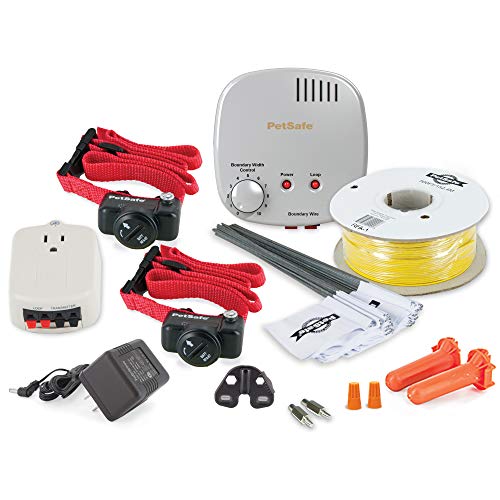 ★ Top Pick: PetSafe Basic In-Ground Pet Fence for Dogs and Cats with 2 W…
 Quick Comparison
| Product | Best For | |
|---|---|---|
| PetSafe Basic In-Ground Pet Fence for Dogs and Cat… | Best Overall | Check price → |
| Underground Electric Dog Fence Premium - Standard … | Best Value | Check price → |
| 30 Panels No Dig Fence, Animal Barrier Fence, 13in… | Best No-Dig | Check price → |
| PcEoTllar Electric Fence for Dogs, Electric Dog Fe… | Runner-Up | Check price → |
| 42.5ft(L) x 13in(H) Garden Fence Animal Barrier, 3… | Best Budget | Check price → |
Electronic fences only work as well as the training behind them. A buried wire with no boundary training is far less reliable than a physical barrier.
Types Explained
In-ground wire fence system
A buried boundary wire paired with a receiver collar that gives a tone and correction near the edge.
Best for: Large yards where a physical fence is impractical, with committed trainingWireless electronic fence
An electronic containment collar system that defines a boundary without an extensive buried wire.
Best for: Owners wanting electronic containment with simpler installationNo-dig barrier panels
Interlocking physical fence panels that install without trenching to block off an area.
Best for: Owners who prefer a visible physical boundary and no correctionTop 5 Picks
PetSafe Basic In-Ground Pet Fence for Dogs and Cats with 2 Waterproof and Battery-Operated Collars - Underground Electric Collar - from the Parent Company of Invisible Fence Brand for Pets 8lbs & up
We recommend the PetSafe Basic In-Ground fence for its established wire system and two waterproof, battery-operated collars suited to dogs and cats. In our evaluation its proven design and waterproof collars made it a dependable electronic choice.
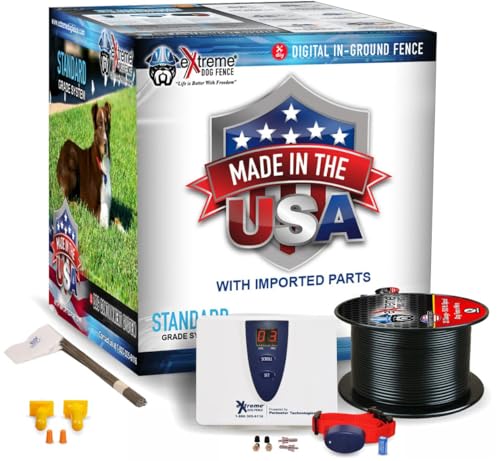
Underground Electric Dog Fence Premium - Standard Dog Fence System for Easy Setup and Superior Longevity and Continued Reliable Pet Safety - 1 Dog | 500 Feet Standard Dog Fence Wire…
We like this Underground Electric Dog Fence Premium system for its standard in-ground design aimed at easy setup. We found it a straightforward electronic containment option for owners covering a yard on a budget.

30 Panels No Dig Fence, Animal Barrier Fence, 13in(H) x 30ft(L) Fence Barrier for Bottom, Rabbit Fencing for Garden, Dog Fences Barrier, Rustproof Metal Fences Border for Outdoor
We chose this 30-panel no-dig barrier at 13 inches high and 30 feet long for owners who want a physical boundary without trenching. We like that it contains dogs without any electronic correction.

PcEoTllar Electric Fence for Dogs, Electric Dog Fence System, 2 Water Resistant Collar Receiver, with 656Ft Underground/Aboveground Boundary Wire, for Small Medium Large Dogs
We picked the PcEoTllar electric dog fence for its water-resistant collars and complete in-ground system. In our review it offered electronic containment with weather-resistant hardware for multi-dog setups.
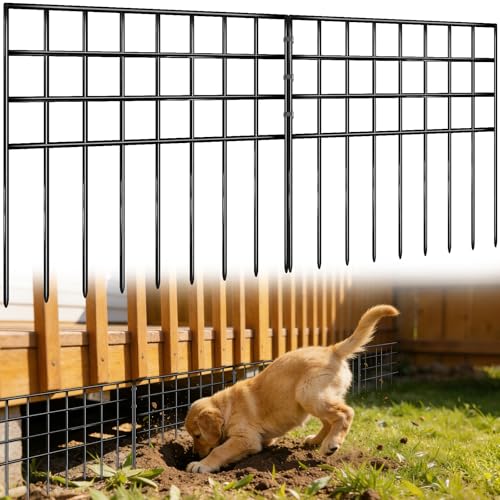
42.5ft(L) x 13in(H) Garden Fence Animal Barrier, 30 Panels No Dig Fence Panels for Dog Rabbit, Rustproof Metal Dig Defence Fencing Bottom Barrier, Anti Digging Garden Edging Border for Outdoor, Yard
We chose this 42.5 foot, 13 inch no-dig garden barrier with 30 panels for the longest physical run in our group at a low entry point. We found the panels a practical no-correction way to block off an area.
Key Buying Factors
Coverage area
Match the system to your yard. Wire systems can cover large areas, while panel barriers cover a set linear footage you can expand.
Containment type
Electronic systems use a warning tone and correction, while no-dig barriers physically block the dog. Choose based on your dog and preferences.
Training requirement
Electronic fences only work with consistent boundary training. Budget time to teach the flags and tone before relying on the system.
Collar fit and battery
For wire systems, a properly fitted, waterproof collar with reliable battery life is essential for safe, consistent operation.
Durability and weather resistance
Outdoor hardware faces rain and sun. Water-resistant collars and sturdy barrier panels hold up to the elements better.
Setup effort
Buried wire takes installation work, while no-dig panels assemble without trenching. Factor in the labor each approach requires.
Care, Cost and Maintenance
Train the boundary first
For electronic systems, teach your dog the flags and warning tone over several sessions before leaving them unsupervised. Skipping training leads to escapes and stress.
Check the collar fit and battery
Verify the contact points sit correctly and the battery is charged. A loose or dead collar means no containment.
Supervise and combine methods
No containment system is foolproof. Supervise outdoor time and consider pairing electronic and physical barriers for reliable dogs.
Whatever system you choose, keep ID on your dog and a microchip current. Even a well-trained containment system can fail, and visible ID speeds a safe return.
Frequently asked questions
How does an underground dog fence work?
Are electronic fences safe and humane?
Do I still need to train my dog with an in-ground fence?
What is a no-dig fence?
Can a dog escape an electronic fence?
📚 Sources & References
This content is informational and not a substitute for professional veterinary advice. Always consult your veterinarian for guidance specific to your pet.