Quick answer
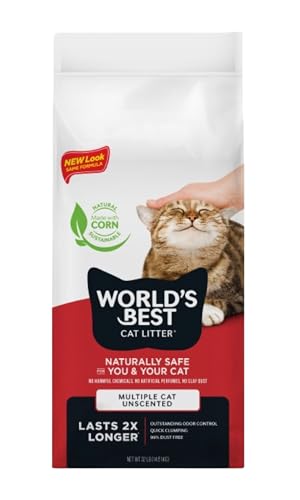
Our top pick is Dr. Elsey’s Precious Cat Ultra Unscented Clumping Clay Litter. It offers superior odor control without fragrance, strong clumping, and low dust. For multi-cat homes, Arm & Hammer Clump & Seal Unscented is a close runner-up. If you prefer a natural option, World’s Best Cat Litter Unscented is made from corn and flushable.
What to consider for Unscented Cat Litter For Bored Cats
Bored cats may develop litter box aversion if the litter is uncomfortable or smells unpleasant. Unscented litter avoids overwhelming their sensitive noses. Key considerations include texture (fine vs. coarse), clumping ability to keep the box clean, dust levels to protect respiratory health, and odor control without masking scents. A clean, inviting box encourages regular use and reduces stress.
What to look for in a cat litter or litter-area product
Look for strong clumping to make scooping easy and prevent ammonia buildup. Odor control is crucial, especially in unscented formulas that rely on activated charcoal or baking soda. Low dust protects feline airways and reduces mess. Low-tracking granules minimize scatter. For multi-cat households, choose a litter that handles multiple cats without losing effectiveness. Unscented options are best for sensitive cats.
How we chose these picks
- Evaluated odor control performance based on ingredient technology (e.g., activated charcoal, baking soda).
- Checked clumping strength and hardness to ensure easy scooping.
- Reviewed dust levels from customer feedback and manufacturer claims.
- Considered tracking potential by examining granule size and shape.
- Assessed value by comparing price per pound and longevity.
- Prioritized unscented formulas to avoid masking odors.
- Included options for different budgets and lifestyles (clay, natural, flushable).
- Never ranked a product higher just because it pays a commission.
What to avoid
- Heavily scented litters that can deter cats from using the box.
- High-dust clay litters that may irritate cats with respiratory issues.
- A litter box that is too small or too few boxes for the number of cats (rule: one box per cat plus one extra).
- Sudden litter changes; transition gradually over a week to avoid aversion.
For more cat care tips, check out our cat guides, cat food advice, and cat health resources.