Quick answer
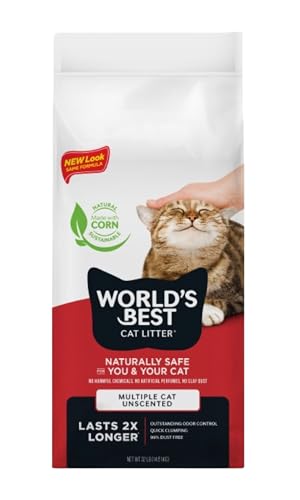
Our top pick for unscented cat litter for kittens is Dr. Elsey’s Precious Cat Unscented Clumping Clay Litter. It offers strong clumping, excellent odor control, and is virtually dust-free. For a natural option, consider World’s Best Cat Litter Unscented, which is made from corn and flushable. If you need a budget-friendly choice, Arm & Hammer Unscented Clumping Litter provides reliable performance at a lower price.
What to consider for Unscented Cat Litter For Kittens
Kittens explore the world with their mouths and paws, so litter must be non-toxic and free of harsh chemicals. Unscented formulas prevent overwhelming their sensitive sense of smell, which can deter litter box use. Low dust is critical to protect developing airways. Clumping ability helps you scoop daily, keeping the box clean and inviting. Also consider tracking: fine particles can scatter, so look for larger granules or a mat.
What to look for in a cat litter or litter-area product
Strong clumping and odor control are essential to keep the box fresh between changes. Low dust is a must for kittens’ respiratory health. Low tracking reduces mess around the box. For multi-cat households, choose a litter that can handle multiple users without odor overload. Unscented options are best for sensitive kittens, as artificial fragrances may discourage use.
How we chose these picks
- Evaluated clumping performance based on published customer feedback and brand specifications.
- Prioritized unscented formulas to avoid respiratory and behavioral issues in kittens.
- Assessed dust levels from product descriptions and independent reviews.
- Considered tracking potential through granule size and texture.
- Checked for non-toxic ingredients suitable for kittens that may ingest litter.
- Compared price per pound to offer options for different budgets.
- Never ranked a product higher just because it pays a commission.
What to avoid
- Heavily scented litters that can put kittens off using the box entirely.
- High-dust clay litters that may cause respiratory issues in young cats.
- A box that is too small or too few boxes for the number of cats (follow the n+1 rule).
- Sudden litter changes: transition gradually over a week to avoid confusion.
For more guidance, visit our cat guides, cat care products, and cat health sections.