Quick answer
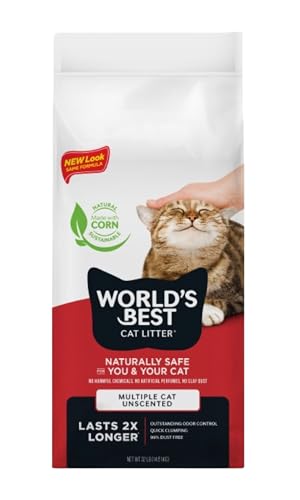
The best unscented cat litter for odor control overall is Dr. Elsey’s Precious Cat Ultra Unscented. It offers superior clumping, excellent ammonia odor control, and low dust. For multi-cat homes, Arm & Hammer Platinum Unscented is a strong runner-up. If you prefer a natural option, World’s Best Cat Litter Multiple Cat Unscented is a top choice.
What to consider for Unscented Cat Litter For Odor Control
Odor control in unscented litter relies on ingredients like activated charcoal, baking soda, or plant-based enzymes. Clumping quality is crucial to seal in waste and prevent ammonia buildup. Dust levels matter for both cats and humans, especially in small spaces. Multi-cat households need litter that can handle higher volumes without becoming saturated quickly. Also consider tracking: some lightweight litters scatter more.
What to look for in a cat litter or litter-area product
Strong clumping and odor control are essential. Look for litters that form hard, tight clumps that don’t break apart during scooping. Low dust is important to protect feline airways, particularly for cats with asthma or respiratory issues. Low tracking reduces mess around the box. For multi-cat homes, choose a litter designed for multiple cats, as it typically has enhanced odor neutralizers. Unscented formulas avoid fragrances that can deter cats from using the box.
How we chose these picks
- Evaluated product specifications and customer reviews for clumping strength and odor control.
- Compared dust levels based on manufacturer claims and user feedback.
- Assessed suitability for multi-cat households and sensitive cats.
- Considered value for money based on price per pound and longevity.
- Prioritized unscented formulas to avoid masking odors with fragrances.
- Selected a mix of clay, natural, and lightweight options to cover different needs.
- Never ranked a product higher just because it pays a commission.
What to avoid
- Heavily scented litters that may put cats off using the box and cause avoidance.
- High-dust clay litters for cats with breathing issues or allergies.
- A box that is too small or too few boxes for the number of cats (rule: one box per cat plus one extra).
- Sudden litter changes: transition gradually over a week to avoid litter box aversion.
For more cat care tips, check out our cat guides, cat care products, and cat health sections.