Quick answer
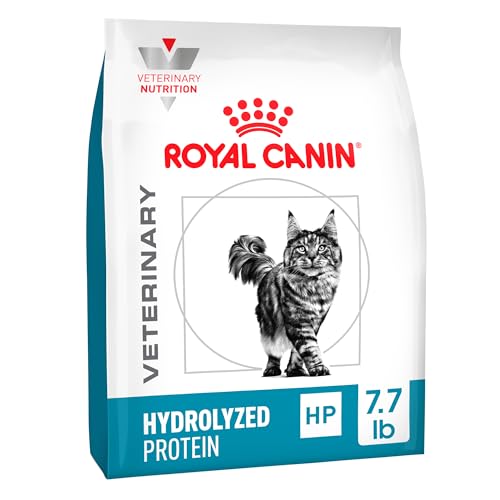
Our top pick is Royal Canin Veterinary Diet Hydrolyzed Protein HP for its dual focus on urinary health and allergy management. It uses hydrolyzed soy protein to minimize allergic reactions while promoting a healthy urinary pH. For a more affordable option, Purina Pro Plan Veterinary Diets UR St/Ox + HA Hydrolyzed combines urinary and hypoallergenic support. If your cat prefers wet food, Hill’s Prescription Diet d/d Duck & Rice Canned is a limited-ingredient choice that supports urinary health.
What to consider for Urinary Cat Food For Cats With Allergies
Cats with allergies often have sensitive skin, digestive issues, or chronic itching. When combined with urinary problems like struvite crystals or FLUTD, you need a diet that addresses both. Look for foods with novel or hydrolyzed proteins to avoid common allergens (chicken, beef, fish). Also ensure the food promotes a slightly acidic urine pH and contains adequate moisture, especially if your cat is prone to urinary crystals. Always consult your veterinarian before switching diets, as prescription diets may be necessary.
What to look for in a cat food
First, ensure the food is AAFCO complete and balanced for your cat’s life stage (adult, kitten, or senior). The first ingredient should be a named meat or protein source; for allergies, novel proteins like duck, venison, or hydrolyzed protein are ideal. Taurine is essential for cats and must be present in adequate amounts. For urinary health, wet food provides higher moisture, which dilutes urine and reduces crystal risk. If feeding dry food, ensure your cat drinks enough water. Finally, choose a diet specifically formulated for urinary health or allergies, as general all-life-stage foods may not meet these specific needs.
How we chose these picks
- Evaluated ingredient lists for novel or hydrolyzed protein sources to minimize allergy triggers.
- Checked for urinary health claims such as controlled magnesium, phosphorus, and pH balance.
- Reviewed AAFCO nutritional adequacy statements for appropriate life stages.
- Considered palatability and texture options (dry, wet, or both) to suit picky eaters.
- Prioritized brands with veterinary therapeutic lines for severe cases.
- Compared price per serving to offer budget-friendly alternatives.
- Consulted published veterinary nutritional guidelines and reputable sources.
- Never ranked a product higher just because it pays a commission.
What to avoid
- Avoid foods with unnamed meat or by-products as the primary protein source, as they may contain allergens.
- Steer clear of recipes with insufficient taurine (less than 0.1% dry matter for adult cats).
- Do not default to all-life-stages food for a senior or kitten without checking specific nutrient profiles (e.g., lower phosphorus for seniors, higher protein for kittens).
- Avoid abrupt diet switches; transition over 7 to 10 days to prevent digestive upset and stress on the urinary tract.
For more cat care resources, visit our cat guides, cat food reviews, and cat health tips.


