Quick answer
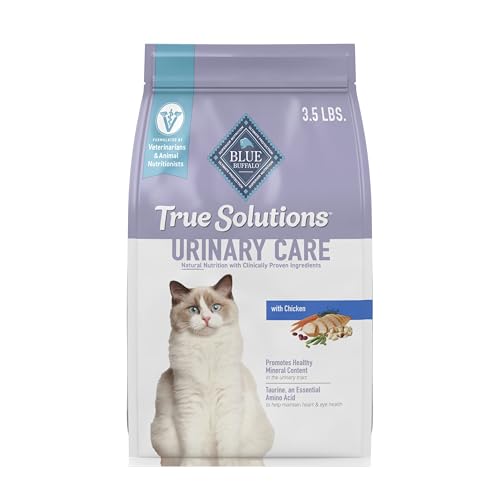
Our top pick for best urinary cat food for indoor cats is Hill’s Science Diet Adult Urinary Hairball Control. It combines balanced minerals for urinary health with natural fiber to reduce hairballs, a common indoor cat issue. For a budget-friendly wet option, Purina Pro Plan Focus Urinary Tract Health is excellent. If your cat has a sensitive stomach, Royal Canin Veterinary Diet Urinary SO is a great choice, but requires a vet prescription.
What to consider for Urinary Cat Food For Indoor Cats
Indoor cats are less active, which can lead to weight gain and concentrated urine, increasing the risk of urinary crystals and blockages. Stress from indoor confinement also contributes to feline idiopathic cystitis. The right food should promote dilute urine through increased moisture (wet food is ideal) and controlled levels of magnesium, phosphorus, and calcium. It should also include omega-3 fatty acids for bladder health and antioxidants for immune support. Always consult your vet before switching diets, especially if your cat has a history of urinary problems.
What to look for in a cat food
Look for an AAFCO statement confirming the food is complete and balanced for your cat’s life stage (adult, kitten, senior). The first ingredient should be a named meat source (chicken, turkey, fish) to ensure high animal protein. Adequate taurine is essential for heart and eye health; most commercial foods meet this. For urinary health, wet food with high moisture (70 to 85 percent) helps dilute urine and flush the bladder. Avoid foods with excessive ash or magnesium. If your cat has a specific condition, choose a formula tailored to that need, such as urinary or hairball control.
How we chose these picks
- Evaluated ingredient lists for named meat sources and absence of artificial additives.
- Checked nutritional adequacy statements from AAFCO for the correct life stage.
- Reviewed guaranteed analysis for protein, fat, fiber, and moisture levels appropriate for indoor cats.
- Considered product reputation and brand history of recalls or quality issues.
- Focused on formulas specifically marketed for urinary health or indoor cats.
- Included a range of wet and dry options to suit different preferences and budgets.
- Never ranked a product higher just because it pays a commission.
What to avoid
- Avoid foods with unnamed meat or meat by-products as the first ingredient; they may lack quality protein.
- Steer clear of recipes that do not list taurine or have insufficient animal protein for obligate carnivores.
- Do not default to all-life-stages food for a senior or kitten without checking if it meets their specific needs.
- Avoid abrupt diet switches; transition over 7 to 10 days to prevent digestive upset.
For more guidance, explore our cat guides, cat food reviews, and cat health tips.