Quick answer
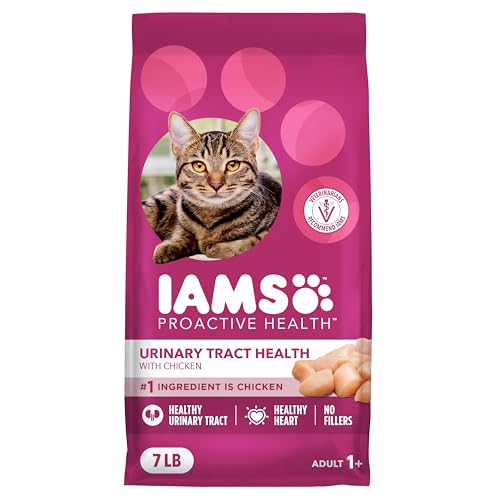
Our top pick is Hill’s Science Diet Adult Urinary & Hairball Control Chicken Recipe dry cat food. It combines controlled calories with urinary support through reduced magnesium and optimal pH. For cats that prefer wet food, Purina Pro Plan Focus Adult Urinary Tract Health Formula offers high moisture and moderate calories. If budget is a concern, Iams Proactive Health Urinary Tract Health provides effective nutrition at a lower price point.
What to consider for Urinary Cat Food For Weight Loss
When selecting a urinary cat food for weight loss, you need a product that addresses both urinary health and calorie control. Urinary formulas typically manage mineral levels (magnesium, phosphorus) and promote a slightly acidic urine pH to reduce crystal formation. Weight loss formulas restrict calories while maintaining essential nutrients. Combining these goals requires careful balance: too few calories can lead to muscle loss, while inadequate urinary support may not prevent issues. Look for foods with moderate fat and controlled carbohydrates, plus added moisture if using dry food. Always transition gradually over 7 to 10 days to avoid digestive upset.
What to look for in a cat food
First, ensure the food is AAFCO complete and balanced for your cat’s life stage (adult, senior, or all life stages). The first ingredient should be a named meat source (e.g., chicken, salmon) to provide high-quality animal protein. Cats require taurine, an essential amino acid, so the food must include sufficient taurine (typically at least 0.1% on a dry matter basis). For urinary health, wet food is often recommended due to its high moisture content, which dilutes urine and reduces crystal risk. If feeding dry, ensure the cat drinks enough water. Finally, check that the food is appropriate for weight loss: look for lower calorie density (around 300 to 400 kcal per cup) and moderate fat content.
How we chose these picks
- Evaluated nutritional profiles for urinary health markers (magnesium, phosphorus, pH control).
- Checked calorie density and fat content to support weight loss.
- Reviewed ingredient lists for named meat sources and absence of artificial additives.
- Considered brand reputation and adherence to AAFCO standards.
- Read customer feedback for palatability and real-world results.
- Compared price per serving to offer options across budgets.
- Consulted veterinary nutrition guidelines for urinary and weight management.
- Never ranked a product higher just because it pays a commission.
What to avoid
- Avoid foods with unnamed meat or by-products as the first ingredient; they may lack sufficient animal protein.
- Steer clear of recipes that do not guarantee taurine levels; taurine deficiency can cause serious health issues.
- Do not default to all-life-stages food for a senior or kitten without checking specific needs; life-stage formulas are tailored.
- Avoid abrupt diet switches; transition gradually over 7 to 10 days to prevent digestive upset.
- Be cautious of foods with excessive carbohydrates or fillers like corn, wheat, or soy, which can hinder weight loss.
For more guidance, explore our cat guides, cat food reviews, and cat health articles.