Quick answer
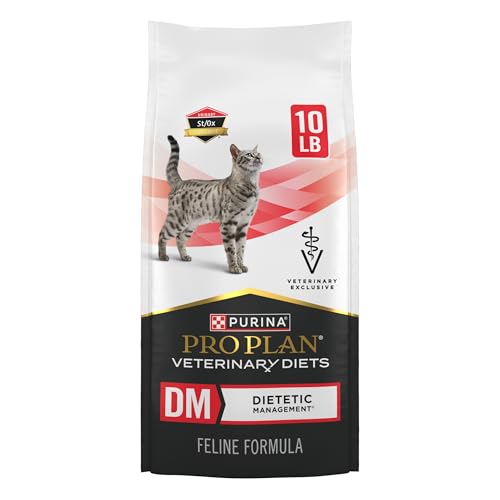
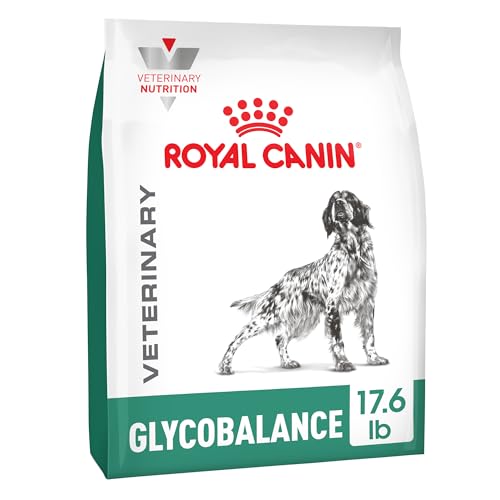
Our top pick is Hill’s Prescription Diet m/d GlucoSupport, a clinically proven formula that helps manage glucose and weight simultaneously. For a non-prescription option, Purina Pro Plan Veterinary Diets DM Dietetic Management offers excellent results. If your cat prefers wet food, Royal Canin Veterinary Diet Glycobalance is a strong contender.
What to consider for Weight Management Cat Food For Diabetic Cats
Diabetic cats require a diet low in carbohydrates and high in protein to help regulate blood sugar. Weight management is equally important because obesity worsens insulin resistance. Look for foods with moderate fat to avoid excess calories, and ensure the recipe includes high-quality animal protein to support lean muscle mass. Canned wet food is often preferred due to its higher moisture content, which aids hydration and urinary health. Always transition slowly over 7 to 10 days to avoid digestive upset.
What to look for in a cat food
First, verify the food meets AAFCO nutrient profiles for the appropriate life stage (adult maintenance or all life stages). The first ingredient should be a named meat source like chicken, turkey, or fish. Adequate animal protein (typically over 40% dry matter) and guaranteed taurine are essential for heart and eye health. Wet food provides moisture that supports kidney and urinary function. For diabetic cats, look for low-carbohydrate formulas (under 10% on a dry matter basis) and moderate fat to control calories. Life-stage specific diets ensure proper nutrient balance.
How we chose these picks
- Reviewed ingredient lists for high protein, low carbohydrate content.
- Checked for AAFCO nutritional adequacy statements.
- Prioritized products from brands with veterinary nutritionists on staff.
- Evaluated customer feedback for palatability and digestive tolerance.
- Considered price per pound and availability on Amazon.
- Consulted published veterinary guidelines for diabetic cat nutrition.
- Never ranked a product higher just because it pays a commission.
What to avoid
- Foods with unnamed meat sources or by-products as the first ingredient.
- Recipes with excessive carbohydrates (grains, potatoes, peas high on the list).
- Diets lacking taurine supplementation or with insufficient protein.
- Using an all-life-stages food for a senior diabetic cat without checking calorie density.
- Abrupt diet changes; always transition gradually to avoid stress and GI issues.
For more guidance, browse our cat guides, cat food reviews, and cat health articles.