Quick answer
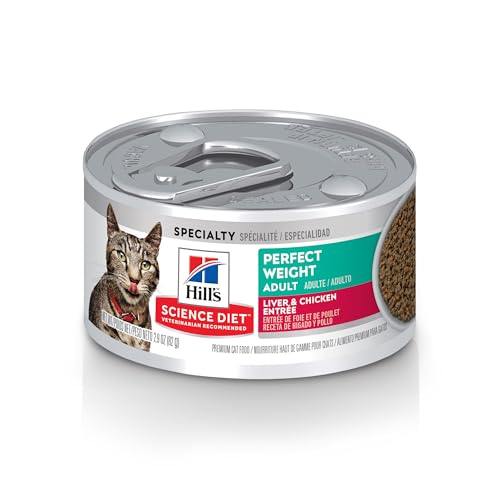
The best wet cat food for weight gain is Royal Canin Veterinary Diet Recovery RS canned food, offering high calorie density and easy digestibility for cats needing to gain weight. For a more affordable option, Purina Pro Plan Focus Adult Weight Management Formula provides balanced nutrition with extra calories. Hill’s Science Diet Adult Perfect Weight is ideal for gradual weight gain with controlled fat.
What to consider for Wet Cat Food For Weight Gain
When choosing a wet cat food for weight gain, focus on calorie density, protein content, and digestibility. Underweight cats need a diet that provides extra calories without upsetting their stomach. Look for foods with at least 1.5 kcal/g (or higher) and named animal protein as the first ingredient. Also consider life stage: kittens, adults, and seniors have different needs. Wet food is beneficial because it provides hydration and is often more palatable, encouraging picky eaters to consume more.
What to look for in a cat food
First, ensure the food is AAFCO complete and balanced for the appropriate life stage (kitten, adult, or all life stages). Look for a named meat source (e.g., chicken, salmon) as the first ingredient, providing high-quality animal protein. Taurine is an essential amino acid for cats; the food must contain adequate taurine for heart and eye health. Wet food typically has 75 to 85% moisture, which supports urinary tract health. For weight gain, choose a formula with higher fat and calorie content, but avoid excessive carbohydrates. Finally, consider any special needs: for example, senior cats may benefit from added joint supplements, while kittens need higher protein and calcium.
How we chose these picks
- Evaluated calorie density and protein-to-fat ratio for healthy weight gain
- Reviewed ingredient lists for named animal proteins and absence of fillers
- Checked AAFCO nutritional adequacy statements for life-stage suitability
- Considered brand reputation and manufacturing quality standards
- Read customer reviews for palatability and digestive tolerance
- Compared price per calorie to ensure value
- Consulted veterinary nutrition guidelines for safe weight gain rates
- Never ranked a product higher just because it pays a commission
What to avoid
- Avoid foods with unnamed meats or by-products that lack a specific animal source
- Steer clear of recipes with insufficient animal protein (less than 30% dry matter protein)
- Do not choose a food that lacks taurine supplementation or has unclear taurine content
- Avoid defaulting to an all-life-stages food for a senior or kitten without checking if it meets their specific needs (e.g., lower phosphorus for seniors)
- Never switch your cat’s food abruptly; transition over 7 to 10 days to prevent digestive upset
For more guidance, explore our cat guides, cat food reviews, and cat health tips.