Quick answer
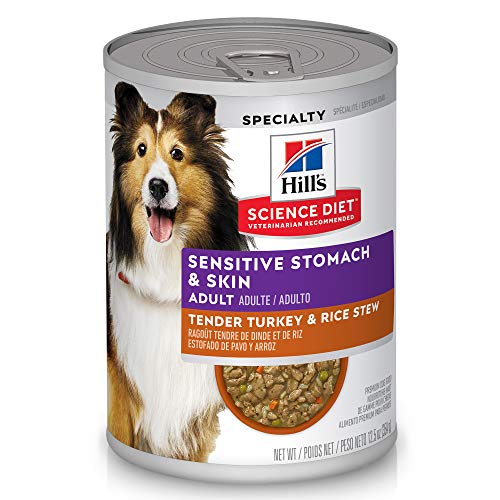
Our top pick for wet dog food to help with tear stains is Purina Pro Plan Focus Sensitive Skin & Stomach Salmon & Rice Formula. Its limited ingredient list and omega fatty acids support skin health and may reduce tear staining. For dogs with poultry sensitivities, Hill’s Science Diet Adult Sensitive Stomach & Skin Salmon & Rice is a close runner-up. Both avoid common allergens that can trigger tear stains.
What to consider for Wet Dog Food For Tear Stains
Tear stains are reddish-brown marks caused by porphyrins in tears. While genetics and anatomy play a role, diet can influence tear production and stain intensity. Common dietary triggers include low-quality proteins, artificial additives, and allergens like chicken or beef. Switching to a wet food with a novel protein source, limited ingredients, and added omega-3 and omega-6 fatty acids may help reduce inflammation and tear staining. Always consult your veterinarian before making dietary changes.
What to look for in a dog food
Look for a wet food that is AAFCO complete and balanced for your dog’s life stage. The first ingredient should be a named meat (e.g., salmon, lamb, duck). Protein content should be moderate (25% to 35% dry matter), fat around 10% to 20%, and calories appropriate for your dog’s size and activity. For tear stains, choose recipes with omega-3 and omega-6 fatty acids (like fish oil or flaxseed) to support skin health. Avoid artificial colors, flavors, and preservatives. Grain-inclusive formulas are generally recommended unless your vet advises grain-free.
How we chose these picks
- Evaluated ingredient lists for named protein sources and absence of common allergens.
- Checked for AAFCO nutritional adequacy statements for the appropriate life stage.
- Prioritized recipes with omega fatty acids for skin and coat health.
- Reviewed customer feedback for noticeable reduction in tear stains.
- Considered brand reputation and manufacturing quality standards.
- Selected a range of price points to suit different budgets.
- Focused on wet food formats, which typically have higher moisture content and fewer fillers.
- Never ranked a product higher just because it pays a commission.
What to avoid
- Unnamed “meat meal” as the primary protein source.
- Defaulting to grain-free or legume-heavy recipes; the FDA DCM investigation is ongoing, so grain-inclusive is the safer default unless your vet advises otherwise.
- All-life-stages food for a large-breed puppy; choose a formula specifically for large breed puppies.
- Abrupt diet switches; transition over 7 to 10 days to avoid digestive upset.
For more guides, visit our dog guides and explore dog food and dog health sections.