Quick answer
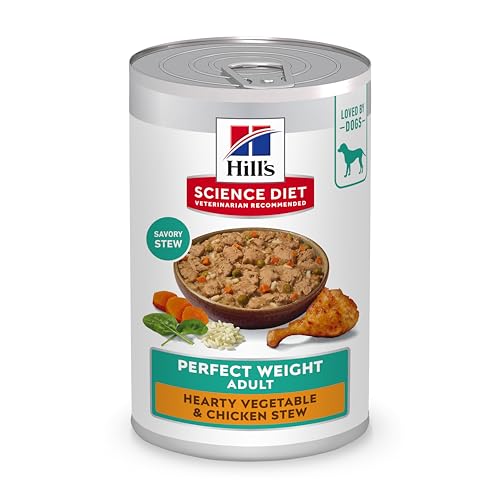
Our top pick is Hill’s Science Diet Adult Perfect Weight Chicken & Vegetable Entree for its balanced nutrition and higher calorie content that helps maintain energy during cold walks. For dogs with sensitive stomachs, Purina Pro Plan Sensitive Skin & Stomach Salmon & Rice is a great alternative. If you’re on a budget, Iams ProActive Health Minichunks provides solid nutrition at a lower price point.
What to consider for Wet Dog Food For Winter Walks
Winter walks demand more energy from your dog to stay warm. Wet dog food with higher fat and protein can provide the extra calories needed. Look for recipes with at least 8% fat and 8% protein on a dry matter basis. Also consider moisture content: wet food helps with hydration, which is crucial in cold, dry air. Portability matters too: single-serve cans or pouches are easier to carry on walks. Finally, choose a formula appropriate for your dog’s age, size, and activity level.
What to look for in a dog food
First, ensure the food is AAFCO complete and balanced for your dog’s life stage (adult, puppy, or senior). The first ingredient should be a named meat source like chicken, beef, or salmon. For winter walks, aim for protein around 8-10% and fat 5-8% on a dry matter basis (check the guaranteed analysis). Calorie content should be above 350 kcal/can for active dogs. If your dog is large breed, consider joint support ingredients like glucosamine. Omega-3 fatty acids from fish oil can help maintain a healthy coat and skin in cold weather.
How we chose these picks
- Evaluated nutritional profiles for protein, fat, and calorie density suitable for winter activity.
- Selected only AAFCO complete and balanced formulas for the appropriate life stage.
- Prioritized named meat as the first ingredient and avoided unnamed meat meals.
- Considered brand reputation, manufacturing quality, and adherence to WSAVA guidelines.
- Read customer reviews for palatability and digestive tolerance.
- Checked for recalls and safety history.
- Never ranked a product higher just because it pays a commission.
What to avoid
- Unnamed “meat meal” as the only protein source; it can be from any mammal and lacks transparency.
- Defaulting to grain-free or legume-heavy recipes without a veterinary reason. The FDA DCM investigation is ongoing, so grain-inclusive is the safer default unless a vet advises otherwise.
- All-life-stages food for a large-breed puppy; it may have improper calcium-to-phosphorus ratio.
- Abrupt diet switches; transition over 7 to 10 days to avoid digestive upset.
For more guidance, visit our dog guides, dog food, and dog nutrition sections.


