Quick answer
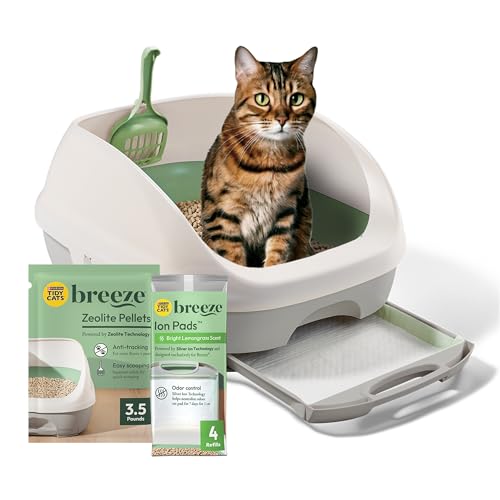
For cats that drink little water, the best wood pellet cat litter is the Feline Pine Original Wood Pellet Cat Litter. Its natural pine absorbs concentrated urine quickly and locks in odors without heavy fragrances. If your cat prefers a softer texture, try the Tidy Cats Breeze Pellet Litter System. For a budget-friendly option, consider the Arm & Hammer Naturals Clumping Litter.
What to consider for Wood Pellet Cat Litter For Cats That Drink Little Water
When your cat drinks little water, their urine becomes more concentrated, which can create stronger ammonia smells and increase the risk of urinary tract issues. Wood pellet litter is highly absorbent and helps control these odors naturally. Look for litters that are low-dust to protect your cat’s respiratory health, and unscented or naturally scented to avoid deterring them from the box. Also consider pellet size: smaller pellets may be more comfortable for sensitive paws, while larger pellets track less.
What to look for in a cat litter or litter-area product
Strong clumping and odor control are essential, especially for concentrated urine. Low dust is crucial for feline airways, as cats with reduced water intake may already be prone to dehydration and respiratory sensitivity. Low tracking helps keep your home clean. Multi-cat suitability is important if you have more than one cat. An unscented option is best for cats that are picky about smells.
How we chose these picks
- Evaluated absorbency and odor control for concentrated urine.
- Checked for low-dust formulations to protect feline respiratory health.
- Considered pellet size and texture for cat comfort.
- Reviewed customer feedback on tracking and ease of cleaning.
- Focused on unscented or naturally scented options to avoid litter box aversion.
- Selected products from reputable brands with transparent ingredient lists.
- Compared price per pound for value.
- Never ranked a product higher just because it pays a commission.
What to avoid
- Heavily scented litters that can put cats off the box, especially those with sensitive noses.
- High-dust clay litters that can aggravate breathing issues in cats with low water intake.
- A box that is too small or too few boxes for the number of cats, which can cause stress and avoidance.
- Sudden litter changes; transition gradually over a week to prevent litter box aversion.
For more guidance, explore our cat guides, cat health, and cat care products.