Quick answer
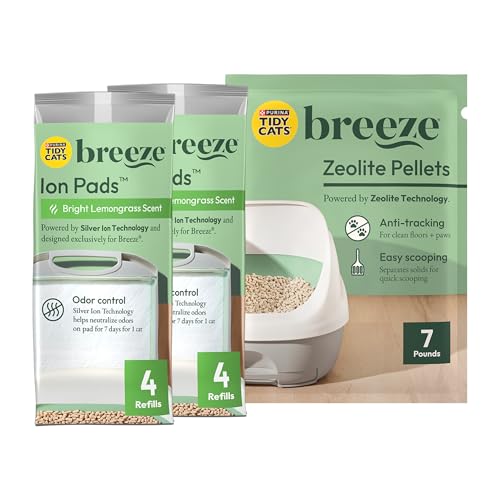
Our top pick is Feline Pine Original Wood Pellet Cat Litter for its soft, dust-free pellets that are gentle on sensitive paws and provide excellent odor control. For cats needing extra odor fighting, we recommend Tidy Cats Breeze Pellet Litter System Pellets, though it requires a specific box. Arm & Hammer Naturals Clumping Litter is a great alternative if you prefer clumping action.
What to consider for Wood Pellet Cat Litter For Cats With Sensitive Paws
Cats with sensitive paws often react to rough or dusty litter. Wood pellets are larger and smoother than clay, reducing irritation. However, pellets break down into sawdust when wet, which can be tracked. Consider the pellet size and dust level; some brands produce more dust than others. Also, wood pellet litter is typically non-clumping, so you’ll need to scoop solid waste and replace soiled pellets regularly. Odor control varies, so look for brands with added baking soda or natural enzymes.
What to look for in a cat litter or litter-area product
When choosing a cat litter for sensitive paws, prioritize low dust to protect feline airways. Strong clumping (if clumping) or effective odor control is essential. Low tracking helps keep your home clean. For multi-cat households, ensure the litter can handle multiple cats. Unscented options are best to avoid overwhelming your cat’s sense of smell.
How we chose these picks
- Evaluated pellet softness and dust levels based on product specifications and customer feedback.
- Compared odor control effectiveness using manufacturer claims and verified reviews.
- Considered value for money, including bag size and frequency of replacement.
- Checked for availability on Amazon and brand reputation.
- Assessed suitability for cats with sensitive paws, focusing on texture and lack of harsh chemicals.
- Included a mix of clumping and non-clumping options to cover different preferences.
- Ensured all picks are unscented or lightly scented with natural ingredients.
- Never ranked a product higher just because it pays a commission.
What to avoid
- Heavily scented litters that can deter cats from using the box.
- High-dust clay litters that may aggravate breathing issues.
- A litter box that is too small or too few boxes for the number of cats.
- Sudden litter changes; always transition gradually over a week.
For more guidance, check our cat guides, cat care products, and cat health sections.