Quick answer
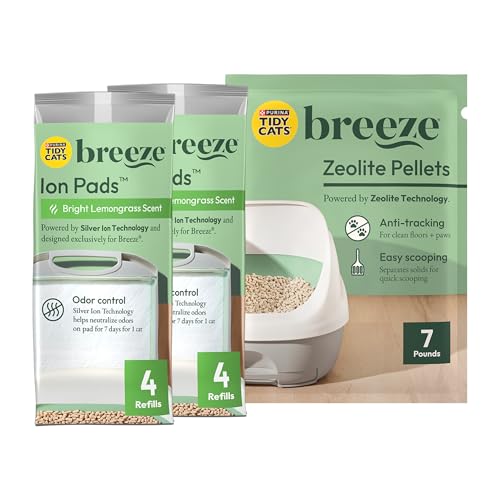
Our top pick is Feline Pine Original Unscented Pellet Cat Litter. Its large pine pellets hold up well under heavier cats, resist crumbling, and provide natural odor control. For cats with sensitive paws, we recommend Tidy Cats Breeze Pellet Litter, which uses a unique pellet-and-pad system for low dust and easy cleanup.
What to consider for Wood Pellet Cat Litter For Heavy Cats
Heavy cats exert more pressure on litter, causing softer pellets to break down into sawdust quickly. This leads to more frequent changes and potential tracking. Look for dense, hardwood pellets that maintain their shape. Also consider the litter depth: deeper litter (3 to 4 inches) helps distribute weight and prevents the box bottom from becoming wet. Finally, heavy cats may have joint issues, so a low-entry box or a box with a lower front lip can make access easier.
What to look for in a cat litter or litter-area product
When choosing a cat litter for any cat, prioritize strong clumping and odor control to keep the box fresh. Low dust is critical for feline respiratory health, especially in cats with asthma or allergies. Low tracking reduces mess around the box. For multi-cat households, choose a litter that can handle multiple users without losing effectiveness. Unscented options are best for sensitive cats, as artificial fragrances can deter them from using the box.
How we chose these picks
- Evaluated pellet density and durability under weight to prevent crumbling.
- Checked customer feedback for odor control and dust levels.
- Considered pellet size and shape for low tracking.
- Reviewed safety of materials, avoiding chemical additives.
- Assessed value for money based on cost per use.
- Prioritized brands with transparent sourcing and manufacturing.
- Never ranked a product higher just because it pays a commission.
What to avoid
- Heavily scented litters that can put cats off the box.
- High-dust clay litters for cats with breathing issues.
- A box too small or too few boxes for the number of cats.
- Sudden litter changes; transition gradually over one to two weeks.
For more guidance, explore our cat guides, cat food, and cat care products.