Quick answer
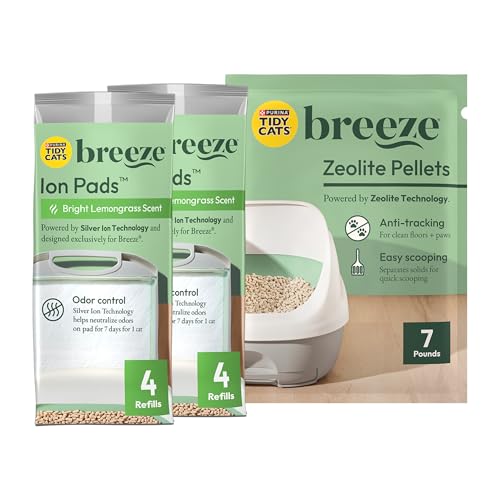
Our top pick for the best wood pellet cat litter for kittens is the Feline Pine Original Cat Litter. It is unscented, low-dust, and made from natural pine, making it safe for curious kittens. For better odor control in multi-cat homes, consider the Tidy Cats Breeze Pellet System Pellets. If you prefer a softer texture, the Okocat Natural Wood Pellet Litter is a great alternative.
What to consider for Wood Pellet Cat Litter For Kittens
Kittens are more sensitive to dust and chemicals than adult cats. Wood pellet litter is naturally low-dust and free from synthetic fragrances, reducing respiratory irritation. However, pellets can be larger and less familiar to kittens; some may need a transition period. Also, wood pellets absorb moisture and break down into sawdust, so you’ll need a sifting litter box or scoop out the dust. Ensure the litter is unscented and non-toxic if ingested, as kittens often explore with their mouths.
What to look for in a cat litter or litter-area product
When choosing a litter for kittens, prioritize strong clumping and odor control to keep the box fresh. Low dust is critical for developing airways. Low tracking helps keep your home clean. For multi-cat households, choose a litter that handles multiple cats without odor overload. Unscented options are best for sensitive kittens.
How we chose these picks
- Evaluated based on publicly available product information and manufacturer specifications.
- Prioritized litters specifically marketed as safe for kittens or with low-dust, unscented formulas.
- Considered customer reviews for real-world feedback on odor control, dust levels, and kitten acceptance.
- Compared absorbency and clumping ability using established guidelines.
- Focused on natural, non-toxic ingredients to ensure safety if ingested.
- Selected a range of price points to fit different budgets.
- Never ranked a product higher just because it pays a commission.
What to avoid
- Heavily scented litters that can deter kittens from using the box or cause respiratory issues.
- High-dust clay litters that may aggravate sensitive airways.
- A litter box that is too small or has high sides that are difficult for kittens to enter.
- Sudden litter changes; always transition gradually over a week to avoid litter box aversion.
For more tips, check out our cat guides, cat health, and cat care products.