Quick answer
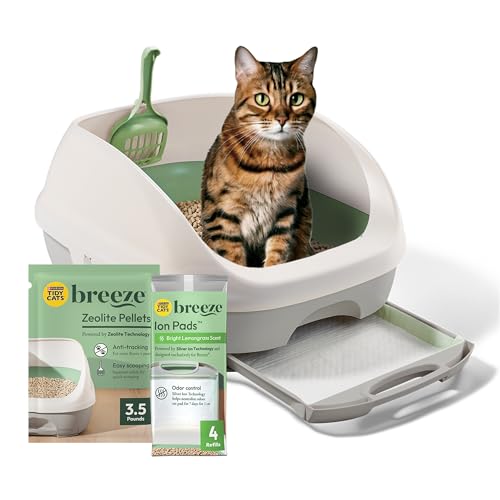
Our top pick is the Feline Pine Original Wood Pellet Cat Litter for its soft, absorbent wood pellets that break down into sawdust on contact, providing a gentle surface for sensitive paws. If your cat prefers a finer texture, try the Okocat Soft Wood Pellet Litter. For superior odor control, consider the Tidy Cats Breeze System Pellets.
What to consider for Wood Pellet Cat Litter For Sensitive Paws
Cats with sensitive paws need a litter that is soft, non-abrasive, and free from sharp particles. Wood pellets are generally larger and smoother than clay or crystal litters, reducing irritation. However, some pellets can be hard when dry; look for brands that break down into a soft sawdust upon contact with moisture. Also consider dust levels, as low-dust options are better for cats with respiratory sensitivities. Unscented varieties are preferred to avoid overwhelming your cat’s sense of smell.
What to look for in a cat litter or litter-area product
When choosing a litter for sensitive paws, prioritize strong clumping and odor control to keep the box clean and inviting. Low dust is crucial for feline airways, especially for cats with asthma or allergies. Low tracking helps minimize mess around the box. For multi-cat households, ensure the litter can handle multiple users without becoming soggy. Always opt for an unscented option to avoid deterring sensitive cats.
How we chose these picks
- Evaluated pellet texture and softness to ensure gentleness on paws.
- Reviewed dust levels reported by manufacturers and customer feedback.
- Checked for natural, non-toxic ingredients without added perfumes.
- Considered absorbency and odor control performance.
- Assessed value for money and availability on Amazon.
- Read verified buyer reviews to identify common praises and complaints.
- Never ranked a product higher just because it pays a commission.
What to avoid
- Heavily scented litters that can put cats off the box due to strong smells.
- High-dust clay litters that may aggravate breathing issues.
- A box that is too small or too few boxes for the number of cats, which can cause avoidance.
- Sudden litter changes; always transition gradually over a week.
For more cat care resources, check out our cat guides, cat food, and cat health sections.