Quick answer
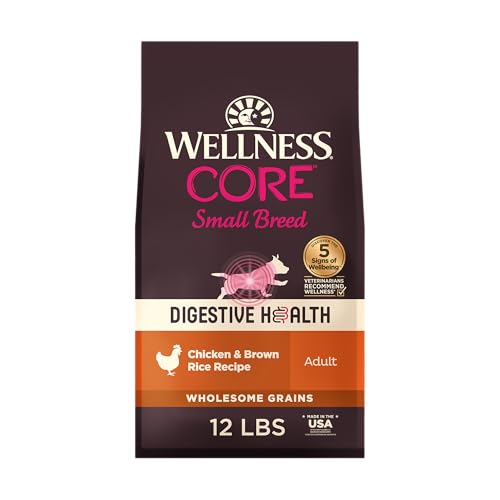
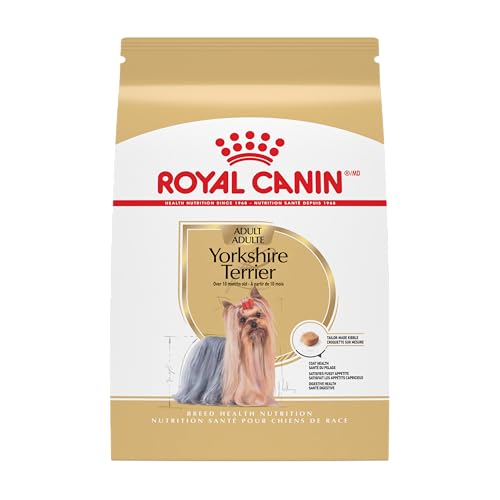
Our editorial team recommends Royal Canin Yorkshire Terrier Adult Dry Dog Food as the best working dog food for Yorkies because it’s tailored to their small size, high energy needs, and dental health. For a budget-friendly alternative with similar benefits, Purina Pro Plan Small Breed High Protein is a strong runner-up, offering real chicken as the first ingredient and probiotics for digestive support.
What to consider for Working Dog Food For Yorkies
Yorkies that work, whether as therapy dogs, agility competitors, or active companions, have higher caloric demands than typical toy breeds. Their small size means they need a nutrient-dense food with a calorie content around 350 to 450 kcal per cup, ideally with small kibble to prevent choking and promote dental health. Working Yorkies also benefit from added joint support (glucosamine and chondroitin) and omega fatty acids for coat and skin health. Because they are prone to hypoglycemia and dental issues, choose a formula with consistent protein and fat levels and avoid oversized kibble.
What to look for in a dog food
Look for a statement from AAFCO that the food is complete and balanced for the adult maintenance life stage. The first ingredient should be a named meat, such as chicken, lamb, or salmon. Protein content should be in the 28 to 32 percent range, fat around 15 to 20 percent, and calories between 350 and 450 kcal per cup for active Yorkies. Choose a small-breed-specific formula to ensure appropriate kibble size and nutrient density. Joint-supporting ingredients like glucosamine and chondroitin are beneficial, as are omega-3 and omega-6 fatty acids for skin and coat health.
How we chose these picks
- We selected products that meet AAFCO nutritional standards for adult maintenance.
- We prioritized formulas with a named meat as the first ingredient.
- We evaluated calorie density and nutrient ratios suitable for active small breeds.
- We considered kibble size and shape for Yorkies’ small jaws and dental health.
- We looked for added joint and coat support ingredients.
- We favored brands with rigorous quality control and feeding-data reviews.
- We excluded products with vague meat meals or excessive fillers.
- Never ranked a product higher just because it pays a commission.
What to avoid
- Unnamed meat meal: Avoid foods where the only protein source is a generic “meat meal” rather than a named species like chicken or lamb.
- Grain-free or legume-heavy recipes: The FDA’s investigation into a potential link between grain-free diets and canine DCM is ongoing. Unless your vet advises otherwise, grain-inclusive recipes are the safer default for most dogs.
- All-life-stages formulas for puppies: These may not provide the precise calcium-to-phosphorus ratio needed for a large-breed puppy’s bone development (though Yorkies are small, the principle applies to any puppy).
- Abrupt diet switches: Transition over 5 to 7 days by gradually mixing old and new food to avoid digestive upset.
For more guidance, explore our dog guides, dog food, and dog nutrition resources.