๐Ÿ† Complete Buyer's Guide ยท Cat Care Products

Finding the Best Automatic Litter Box for Cats in Small Homes

Discover the best automatic litter boxes for tight spaces, where compact size meets waste capacity. Our top pick PetSafe ScoopFree Ultra reduces daily upkeep with disposable trays.

Some links below are affiliate links. If you buy through them we may earn a small commission at no extra cost to you. Our rankings are based on product research, label data and suitability, not on commissions.

PetSafe ScoopFree Ultra Self-Cleaning Litter Box โ˜… Top Pick: PetSafe ScoopFree Ultra Self-Cleaning Litter Box Check Price on Amazon →
15 to 20 inches
Typical width
25 to 30 inches
Typical depth
30 to 60 dB
Noise level
7 to 14 days
Waste drawer capacity
โšก Key takeaways
  • Best Overall: PetSafe ScoopFree Ultra Self-Cleaning Litter Box. Its compact size fits small homes, and the disposable crystal litter trays absorb odor and.
  • Best Odor Control: Litter-Robot 4. The Litter-Robot 4 uses a patented sifting system and carbon filter to seal waste in a lin.
  • Best Budget: Frisco Self-Cleaning Litter Box by PetSafe. This affordable model offers automatic cleaning with a disposable tray system and carbon f.
  • Best Low Profile: PetSafe Simply Clean Self-Cleaning Litter Box. Its low entry and compact footprint make it ideal for small spaces and senior cats.
  • Best Multi-Cat: Catit SmartSift Self-Cleaning Litter Box. Despite its compact design, the Catit SmartSift can handle multiple cats with its large wa.
At a Glance

Quick Comparison

Quick answer

The PetSafe ScoopFree Ultra Self-Cleaning Litter Box is our top pick for small homes. Its compact footprint and disposable tray system minimize mess and odor. If you prefer a reusable option, the Litter-Robot 4 offers superior automation but requires more space. For budget-conscious buyers, the Frisco Self-Cleaning Litter Box delivers solid performance at a lower price.

What to consider for Automatic Litter Box For Cats In Small Homes

Small homes demand litter boxes that fit tight spaces without sacrificing functionality. Consider the unit’s dimensions, especially width and depth, as many automatic boxes are bulkier than traditional ones. Noise level matters in a compact living area; look for models with quiet motors. Odor control is critical in small spaces, so choose boxes with sealed waste compartments or carbon filters. Also, ensure the entry height suits your cat’s mobility, and check that the box can handle your cat’s weight and litter usage without frequent emptying.

What to look for in a cat litter or litter-area product

When selecting litter for an automatic box, prioritize strong clumping and odor control to keep the mechanism clean and the air fresh. Low-dust formulas protect your cat’s respiratory health, especially in a small, enclosed space. Low-tracking litter reduces mess outside the box, saving you cleanup time. For multi-cat households, choose a litter that clumps firmly to prevent ammonia buildup. Unscented options are best for sensitive cats who may avoid strong fragrances.

How we chose these picks

  • Evaluated product dimensions and footprint for small-space suitability.
  • Compared waste disposal capacity and frequency of emptying.
  • Assessed noise levels during cleaning cycles based on manufacturer specs and user reports.
  • Checked for safety features like weight sensors and anti-pinch mechanisms.
  • Reviewed odor control technologies, including carbon filters and sealed lids.
  • Considered ease of setup and maintenance, including tray replacement or waste drawer access.
  • Never ranked a product higher just because it pays a commission.

What to avoid

  • Avoid heavily scented litters that may deter cats from using the box; cats prefer unscented or mild natural scents.
  • Steer clear of high-dust clay litters that can aggravate feline asthma or allergies, especially in small, poorly ventilated spaces.
  • Do not choose a box that is too small for your cat; ensure the interior space allows turning and digging comfortably.
  • Never switch litter types abruptly; gradually mix new litter with old over a week to prevent litter box aversion.

For more cat care advice, visit our cat guides and explore our resources on cat food and cat health.

Why this matters

Automatic litter boxes in small homes must balance compact size with sufficient waste capacity; models with disposable trays often last longer between changes, reducing daily maintenance.

The Options

Types Explained

Rake-style automatic boxes

These use a motorized rake to sweep waste into a covered bin. They are generally compact and affordable but may struggle with large clumps or non-clumping litter.

Best for: Single-cat households on a budget

Sifting automatic boxes

These separate waste by sifting the litter through a grate or rotating drum. They are quieter and have fewer moving parts but may require more manual intervention for deep cleaning.

Best for: Cats that produce soft stools

Self-cleaning enclosed boxes

These feature a sealed waste drawer and carbon filters for superior odor control. They tend to be larger and more expensive but offer the lowest maintenance.

Best for: Small homes where odor is a primary concern

Disposable tray systems

These use pre-filled disposable trays that are replaced entirely. They are the easiest to maintain but generate more plastic waste and have ongoing cost.

Best for: Owners who prioritize convenience over sustainability
The Rankings

Top 5 Picks

#1
PetSafe ScoopFree Ultra Self-Cleaning Litter Box
Best Overall

PetSafe ScoopFree Ultra Self-Cleaning Litter Box

View on Amazon

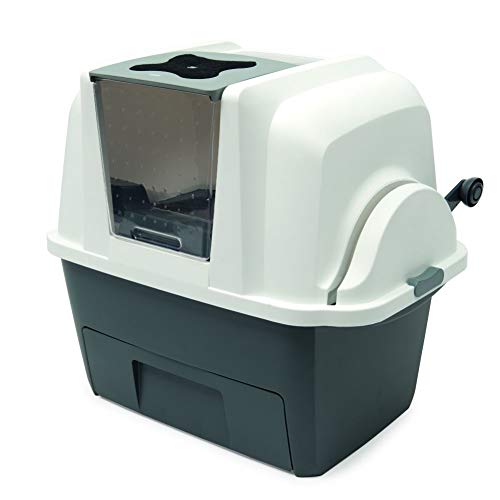
Its compact size fits small homes, and the disposable crystal litter trays absorb odor and moisture for up to 30 days. The automatic rake cleans after each use, but the crystal litter can be pricier than clay. Ideal for up to two cats, though the waste drawer may need mid-cycle emptying for multiple cats.

#2
Litter-Robot 4
Best Odor Control

Litter-Robot 4

View on Amazon

The Litter-Robot 4 uses a patented sifting system and carbon filter to seal waste in a lined drawer, virtually eliminating odor. Its large size requires a bit more floor space, and the high price may be a barrier. Best for single-cat households or small homes where odor is a top concern.

#3
Frisco Self-Cleaning Litter Box by PetSafe
Best Budget

Frisco Self-Cleaning Litter Box by PetSafe

View on Amazon

This affordable model offers automatic cleaning with a disposable tray system and carbon filter. It is compact and quiet, but the waste drawer is small and needs frequent emptying for multiple cats. A solid entry-level choice for one cat in a small apartment.

#4
PetSafe Simply Clean Self-Cleaning Litter Box
Best Low Profile

PetSafe Simply Clean Self-Cleaning Litter Box

View on Amazon

Its low entry and compact footprint make it ideal for small spaces and senior cats. The continuous cleaning system slowly sifts waste into a sealed bin, but it may not handle heavy clumps well. Works best with clumping clay litter for consistent performance.

#5
Catit SmartSift Self-Cleaning Litter Box
Best Multi-Cat

Catit SmartSift Self-Cleaning Litter Box

View on Amazon

Despite its compact design, the Catit SmartSift can handle multiple cats with its large waste drawer and sifting rake. The odor control system uses carbon filters and a sealed bin. However, some users report the rake can get stuck with soft clumps, requiring regular maintenance.

Before You Buy

Key Buying Factors

01

Dimensions and Footprint

Measure your available space before buying. Many automatic boxes are wider and deeper than traditional ones. Look for models under 20 inches wide to fit in corners or under furniture.

02

Noise Level

In a small home, a loud motor can be disruptive. Check decibel ratings if available, and read user reviews about noise. Quieter models often use DC motors or slower cleaning cycles.

03

Waste Disposal Capacity

Small homes benefit from boxes that can go longer between emptying. Disposable tray systems can last up to 30 days for one cat, while drawer-based models may need weekly emptying.

04

Odor Control Features

Automatic boxes often include carbon filters, sealed waste compartments, or deodorizing sprays. In small spaces, a tight seal and replaceable filter are crucial for keeping the air fresh.

05

Ease of Cleaning

Look for removable waste trays or drawers that are easy to access and clean. Some models have disposable trays that eliminate scrubbing, while others require periodic deep cleaning of the interior.

Living With It

Care, Cost and Maintenance

Daily maintenance

Check the waste drawer or tray daily and empty as needed. Ensure the rake or sifting mechanism is not obstructed by large clumps. Wipe the entrance and sensors with a damp cloth to prevent buildup.

Weekly deep cleaning

Empty all litter and wash the box interior with mild soap and water. Avoid harsh chemicals that can leave residue. Dry thoroughly before refilling with fresh litter. Replace carbon filters according to manufacturer guidelines.

Monthly component check

Inspect moving parts for wear, such as rake tines or gears. Lubricate if recommended by the manual. Check that the power adapter and cord are in good condition. Replace disposable trays or liners as needed.

Pro tip

Place a litter mat with a textured surface outside the box to catch tracked litter, and vacuum the area weekly to keep your small home clean.

Frequently asked questions

How often should I change the litter in an automatic box?
The frequency depends on the type of litter and the number of cats. For clumping clay litter, you typically need to fully replace the litter every 2 to 4 weeks, even if the waste is removed automatically. Non-clumping crystal litter can last up to 30 days per tray. Always follow the manufacturer's recommendations and monitor for odor or moisture buildup.
Is clumping or non-clumping litter better for automatic boxes?
Clumping litter is generally preferred because it forms solid clumps that the rake or sifter can easily remove. Non-clumping litter absorbs urine but does not form clumps, which can lead to ammonia buildup and require more frequent full changes. Most automatic boxes are designed for clumping clay or crystal litter; check the manual for specific recommendations.
Can automatic litter boxes cause respiratory issues in cats?
Any litter box can contribute to respiratory issues if high-dust litter is used. Automatic boxes do not inherently cause problems, but the cleaning process may stir up dust. Choose low-dust or dust-free litters, and ensure the room is well-ventilated. If your cat has asthma or allergies, consult your veterinarian for litter recommendations.
How do I control odor from an automatic litter box in a small home?
Use a litter with strong odor control, such as crystal or activated charcoal-infused clay. Ensure the waste drawer is sealed and replace carbon filters regularly. Place the box in a well-ventilated area, and consider an air purifier nearby. Empty the waste drawer at least once a week, or more often for multiple cats.
Can multiple cats share one automatic litter box?
Yes, but it depends on the model's waste capacity and your cats' dynamics. Some automatic boxes are designed for up to two cats, but the waste drawer may need daily emptying. The general rule is one box per cat plus one extra, so for two cats, consider having two boxes if possible. Monitor for territorial issues.
What are the best low-tracking litters for automatic boxes?
Low-tracking litters typically have larger granules or are made of materials like wood, paper, or crystals. For automatic boxes, crystal litters track less than fine clumping clay. Some brands offer 'low-track' formulas with larger particle sizes. Placing a mat outside the box can also reduce tracking.
Should I use scented or unscented litter in an automatic box?
Unscented litter is usually safer because many cats are sensitive to strong fragrances, which can deter them from using the box. Automatic boxes with carbon filters already control odor without added scents. If you prefer scented litter, choose a mild, natural scent like lavender or citrus, and introduce it gradually.
Why is my cat avoiding the automatic litter box?
Cats may avoid automatic boxes due to noise, movement, or a sudden change from a traditional box. The cleaning cycle can startle them. To help, introduce the box gradually: place it next to the old box, run the cycle while your cat is away, and use familiar litter. Ensure the entry is large enough and the box is not in a high-traffic area.
How do I clean an automatic litter box thoroughly?
Disconnect the power and remove all litter. Wash the interior with warm water and mild dish soap, avoiding abrasive cleaners. Rinse thoroughly and dry completely. For stubborn residue, use a vinegar-water solution (1:1). Clean the rake, sensors, and waste drawer. Reassemble and add fresh litter. Deep clean monthly.
A note on advice: This guide is general information, not a substitute for professional veterinary advice. Talk to your vet before changing your dog's diet or care routine, especially if your dog has allergies, kidney disease, pancreatitis, obesity, heart disease or any other medical condition.
Transparency

How we made this guide

How we chose. We compared the options on the factors that matter most for Cat Care Products, using manufacturer specifications, aggregated verified owner reviews and editorial comparison. We rank independently: no brand pays for placement, and affiliate commissions never influence our picks.

How it was written. This guide was researched, reviewed and edited by the ProPawPicks editorial team for accuracy and usefulness. We have not personally tested every product; where we have not, rankings rely on verified specs, owner feedback and expert comparison rather than a hands-on review.

Affiliate disclosure. ProPawPicks is reader-supported. If you buy through links on our site, we may earn a commission at no extra cost to you. See our affiliate disclosure.

Keep Reading

More Cat Care Products guides

Interactive Cat Toys That Mimic Prey: 2026 Top PicksView picks โ†’Which Interactive Cat Is Most Realistic? Our 2026 Top PickView picks โ†’Interactive Cat Feeders That Cats Actually Use: 2026 Top 4View picks โ†’Indoor cat fences: best invisible dog fence for cats in 2026View picks โ†’Experts Pick: Johnson’s Baby Shampoos (Not for Cats)View picks โ†’Cat Deterrent Mats That Actually Work: 5 ReviewedView picks โ†’

Sources and further reading

Some links below are affiliate links. If you buy through them we may earn a small commission at no extra cost to you. Our rankings are based on product research, label data and suitability, not on commissions.