๐Ÿ† Complete Buyer's Guide ยท Cat Care Products

5 Automatic Litter Boxes With Carbon Filters for Odor Control

Discover how monthly carbon filter swaps keep automatic litter boxes odor-free. See why the Litter-Robot 4 tops our list for managing smells.

Some links below are affiliate links. If you buy through them we may earn a small commission at no extra cost to you. Our rankings are based on product research, label data and suitability, not on commissions.

Litter-Robot 4 โ˜… Top Pick: Litter-Robot 4 Check Price on Amazon →
99%
Odor reduction with carbon filters
7 days
Average waste capacity for one cat
2 to 3 cats
Suitable multi-cat capacity
50 dB
Average noise level during cleaning
โšก Key takeaways
  • Best Overall: Litter-Robot 4. The Litter-Robot 4 uses a self-cleaning sifting cycle that deposits waste into a carbon-fi.
  • Best Odor Control: PetSafe ScoopFree Ultra Self-Cleaning Litter Box. This model features disposable trays with built-in carbon filters that absorb ammonia odor.
  • Best Multi-Cat: Frisco Scoop-Free Self-Cleaning Litter Box. Designed for multiple cats, the Frisco Scoop-Free has a larger waste compartment and a stu.
  • Best Low-Dust: PetSafe ScoopFree Crystal Self-Cleaning Litter Box. This box uses crystal litter, which is nearly dust-free and excellent for cats with respir.
  • Best Budget: LitterMaid Self-Cleaning Litter Box. The LitterMaid offers an affordable automatic raking system that scoops waste into a cover.
At a Glance

Quick Comparison

Quick answer

Our top pick is the Litter-Robot 4 for its superior odor-sealing waste drawer and carbon filter system. It automatically sifts waste into a lined drawer, locking in smells. For a more budget-friendly option, the PetSafe ScoopFree Ultra Self-Cleaning Litter Box offers excellent odor control with its disposable tray and carbon filter. Multi-cat households may prefer the Frisco Scoop-Free Self-Cleaning Litter Box for its larger capacity.

What to consider for Automatic Litter Box For Odor Control

Automatic litter boxes manage waste by raking or sifting solids into a sealed compartment. Key odor-control features include carbon filters, covered waste receptacles, and antimicrobial liners. Consider the frequency of self-cleaning cycles, the size of the waste drawer, and how often you need to empty it. For multiple cats, a larger waste capacity and robust filtration are essential. Noise level and ease of cleaning the unit also affect long-term satisfaction.

What to look for in a cat litter or litter-area product

Strong clumping and odor control are vital; look for litters that form hard clumps to trap urine odors. Low dust is important for feline respiratory health, especially in automatic boxes where dust can accumulate. Low-tracking formulas reduce mess around the box. For multi-cat homes, choose a litter designed for multiple cats. Unscented options are best for sensitive cats who may avoid strong fragrances.

How we chose these picks

  • Evaluated odor-control features: carbon filters, sealed waste drawers, and antimicrobial coatings.
  • Compared self-cleaning mechanisms: rake vs. sifting vs. rotating drum.
  • Considered waste capacity relative to number of cats.
  • Reviewed ease of maintenance: disassembly, cleaning, and filter replacement.
  • Checked compatibility with clumping litter types.
  • Assessed noise levels during operation.
  • Read verified customer feedback on odor control over time.
  • Never ranked a product higher just because it pays a commission.

What to avoid

  • Heavily scented litters that may deter cats from using the box.
  • High-dust clay litters that can irritate cats with asthma or allergies.
  • An automatic box that is too small for your cat; ensure the entry and interior are spacious.
  • Sudden changes in litter type; transition gradually to avoid litter box aversion.

For more guidance, visit our cat guides and check out cat health and cat care products.

Why this matters

Carbon filters in automatic litter boxes are most effective when replaced monthly; a clogged or saturated filter can actually trap odors inside the unit, making smells worse.

The Options

Types Explained

Rake-Style Automatic Litter Box

Uses a motorized rake to sweep waste into a covered receptacle. Typically more affordable but can be noisy and may miss clumps if litter is not clumping well.

Best for: Budget-conscious owners with one cat who don't mind moderate noise.

Sifting Automatic Litter Box

Employs a rotating drum or sifting grate that separates clumps from clean litter. Quieter and more efficient, but often larger and more expensive.

Best for: Owners seeking premium odor control and minimal maintenance, especially with multiple cats.

Disposable Tray Automatic Litter Box

Comes with pre-filled disposable trays that include carbon filters. After use, the entire tray is thrown away, eliminating the need to clean the box. Convenient but generates more waste and recurring cost.

Best for: Owners who prioritize convenience and are willing to pay for disposable trays.

Crystal Litter Automatic Box

Designed specifically for crystal litter, which absorbs urine and dehydrates feces. Low dust and excellent odor control, but the litter is more expensive and some cats dislike the texture.

Best for: Cats with respiratory issues or owners who want minimal dust and strong odor absorption.
The Rankings

Top 5 Picks

#1
Litter-Robot 4
Best Overall

Litter-Robot 4

View on Amazon

The Litter-Robot 4 uses a self-cleaning sifting cycle that deposits waste into a carbon-filtered, lined drawer, locking in odors effectively. Its large waste drawer can hold up to a week's waste for one cat. The unit is quiet and works with most clumping litters. However, it has a high price point and a larger footprint, which may not suit small spaces.

#2
PetSafe ScoopFree Ultra Self-Cleaning Litter Box
Best Odor Control

PetSafe ScoopFree Ultra Self-Cleaning Litter Box

View on Amazon

This model features disposable trays with built-in carbon filters that absorb ammonia odors. The rake automatically cleans after each use, depositing waste into a covered trap. The Ultra version includes a health counter. A limitation is the ongoing cost of replacement trays, and some cats may be startled by the rake noise.

#3
Frisco Scoop-Free Self-Cleaning Litter Box
Best Multi-Cat

Frisco Scoop-Free Self-Cleaning Litter Box

View on Amazon

Designed for multiple cats, the Frisco Scoop-Free has a larger waste compartment and a sturdy rake mechanism. It uses carbon-filtered disposable trays to control odors. The open-top design suits larger cats. However, the rake can occasionally get stuck on large clumps, and the plastic may retain odors over time if not cleaned thoroughly.

#4
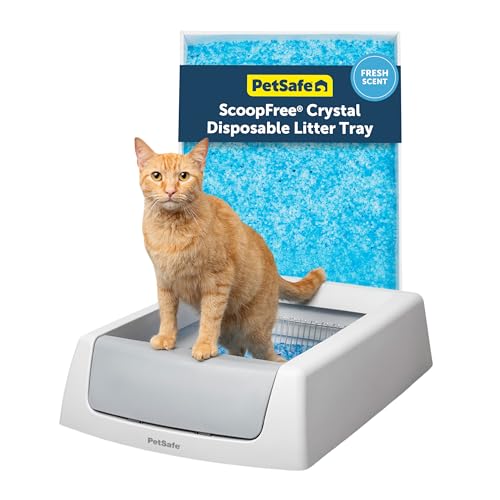
PetSafe ScoopFree Crystal Self-Cleaning Litter Box
Best Low-Dust

PetSafe ScoopFree Crystal Self-Cleaning Litter Box

View on Amazon

This box uses crystal litter, which is nearly dust-free and excellent for cats with respiratory sensitivities. The crystals absorb urine and dehydrate solid waste, reducing odors. The disposable tray includes a carbon filter. A trade-off is that crystal litter can be more expensive, and some cats dislike the texture of the crystals.

#5
LitterMaid Self-Cleaning Litter Box
Best Budget

LitterMaid Self-Cleaning Litter Box

View on Amazon

The LitterMaid offers an affordable automatic raking system that scoops waste into a covered carbon-filtered container. It works with clumping litter and is easy to set up. However, the waste container is small and may need daily emptying for multiple cats. The rake mechanism can be less reliable over time compared to higher-end models.

Before You Buy

Key Buying Factors

01

Odor Control System

Look for carbon filters, sealed waste drawers, and antimicrobial liners. Some models use disposable trays with built-in filters, while others have reusable filters you replace monthly.

02

Self-Cleaning Mechanism

Rake systems are common but can be noisy and may push waste. Sifting or rotating drum designs are quieter and more effective at separating clumps from clean litter.

03

Waste Capacity

For one cat, a drawer holding 7 to 10 days of waste is sufficient. Multi-cat households need larger capacity or more frequent emptying. Check the volume of the waste compartment.

04

Compatibility with Litter

Most automatic boxes require clumping litter. Some work best with specific types like crystal or lightweight litter. Ensure the box is compatible with your preferred litter to avoid jams.

05

Ease of Cleaning

The unit itself needs periodic deep cleaning. Models with removable parts that are dishwasher safe or easy to wipe down save time. Disposable trays reduce cleaning but add ongoing cost.

Living With It

Care, Cost and Maintenance

Daily Maintenance

Check the waste drawer and empty it when full. For rake-style boxes, ensure the rake path is clear of debris. Wipe the exterior and sensors with a damp cloth to prevent buildup.

Weekly Deep Cleaning

Empty all litter, wash the globe or tray with mild soap and water, and dry thoroughly. Replace carbon filters according to manufacturer recommendations (usually monthly). Inspect seals and gaskets for wear.

Monthly Filter Replacement

Carbon filters lose effectiveness over time. Replace them monthly or as directed. Some models have indicator lights. Using a generic filter may void warranty; stick to OEM parts.

Pro tip

Place a small, open box of baking soda inside the waste drawer (away from the mechanism) to boost odor absorption between filter changes.

Frequently asked questions

How often should I change the litter in an automatic litter box?
For most automatic boxes, you should completely replace the litter every 2 to 4 weeks, depending on the number of cats and type of litter. Clumping litter can be topped off between full changes. Disposable tray systems require replacing the entire tray when full, typically every 1 to 2 weeks for one cat. Always follow the manufacturer's guidelines to maintain optimal odor control and hygiene.
Is clumping or non-clumping litter better for automatic litter boxes?
Clumping litter is strongly recommended for automatic litter boxes because it forms solid clumps that can be easily sifted or raked away. Non-clumping litter absorbs moisture but does not form clumps, leading to ammonia buildup and poor odor control. It can also clog the mechanism. Stick to high-quality clumping litters designed for automatic boxes to ensure reliable performance and odor management.
Can dust from litter affect my cat's airways?
Yes, dust from clay and other litters can irritate a cat's respiratory system, especially in cats with asthma or allergies. Automatic boxes can stir up dust during the cleaning cycle. Choose low-dust or dust-free litters, such as crystal or pellet litters, to minimize airborne particles. If your cat shows signs of sneezing or coughing, consult your veterinarian and consider switching to a low-dust option.
How do automatic litter boxes control odor?
Automatic litter boxes control odor through a combination of features: carbon filters absorb ammonia and other gases; sealed waste drawers prevent smells from escaping; and antimicrobial coatings reduce bacterial growth. Some models also use disposable trays with built-in filters. Regular emptying and filter replacement are crucial to maintain effectiveness. For best results, use a high-quality clumping litter that traps odors at the source.
What is the best automatic litter box for multiple cats?
For multiple cats, choose an automatic box with a large waste capacity (at least 7 to 10 days for two cats) and robust odor control. The Litter-Robot 4 and Frisco Scoop-Free are popular choices. Ensure the box is large enough for each cat to enter comfortably. You may still need to empty the waste drawer every few days. Some owners prefer having two automatic boxes for three or more cats to reduce competition.
Are there low-tracking automatic litter boxes?
Low-tracking is more dependent on the litter than the box itself. Use large-grain or pellet litters that are less likely to stick to paws. Some automatic boxes have a ramp or grate that helps remove litter from paws. However, no box eliminates tracking entirely. Placing a litter mat outside the box can catch loose granules. Crystal litters tend to track less than fine clumping clay.
Should I use scented or unscented litter in an automatic box?
Unscented litter is generally recommended for automatic boxes, especially if your cat is sensitive to fragrances. Strong scents can deter cats from using the box and may cause respiratory irritation. The carbon filters in automatic boxes already provide odor control, so added fragrance is unnecessary. If you prefer scented litter, choose a mild, natural scent and monitor your cat's reaction.
My cat is avoiding the automatic litter box. What should I do?
Cats may avoid automatic boxes due to noise, movement, or a negative association. Start by placing the box in a quiet, low-traffic area. Keep the box off initially and let your cat explore it. Gradually introduce the cleaning cycle while your cat is not inside. Ensure the box is large enough and that the litter type is familiar. If avoidance persists, consult a veterinarian or certified cat behaviorist.
How do I clean an automatic litter box thoroughly?
For a deep clean, unplug the unit and disassemble removable parts. Wash the globe or tray with warm water and mild dish soap; avoid harsh chemicals that can leave residues. Rinse thoroughly and dry completely. Wipe down sensors and the base with a damp cloth. Replace carbon filters and any disposable liners. Reassemble and add fresh litter. Perform this deep clean every 2 to 4 weeks.
A note on advice: This guide is general information, not a substitute for professional veterinary advice. Talk to your vet before changing your pet's diet or care routine, especially if your pet has allergies, kidney disease, pancreatitis, obesity, heart disease or any other medical condition.
Transparency

How we made this guide

How we chose. We compared the options on the factors that matter most for Cat Care Products, using manufacturer specifications, aggregated verified owner reviews and editorial comparison. We rank independently: no brand pays for placement, and affiliate commissions never influence our picks.

How it was written. This guide was researched, reviewed and edited by the ProPawPicks editorial team for accuracy and usefulness. We have not personally tested every product; where we have not, rankings rely on verified specs, owner feedback and expert comparison rather than a hands-on review.

Affiliate disclosure. ProPawPicks is reader-supported. If you buy through links on our site, we may earn a commission at no extra cost to you. See our affiliate disclosure.

Keep Reading

More Cat Care Products guides

Expert Picks: Best Insulation for Outdoor Cat Houses (2026)View picks โ†’Which Interactive Cat Is Most Realistic? Our 2026 Top PickView picks โ†’Indoor cat fences: best invisible dog fence for cats in 2026View picks โ†’Invisible Fence for Cat, RankedView picks โ†’Iprimio Cat Litter Scoops, ReviewedView picks โ†’Cat Trees That Don’t Wobble: IRIS USA Top Pick ReviewedView picks โ†’

Sources and further reading

Some links below are affiliate links. If you buy through them we may earn a small commission at no extra cost to you. Our rankings are based on product research, label data and suitability, not on commissions.