Quick answer
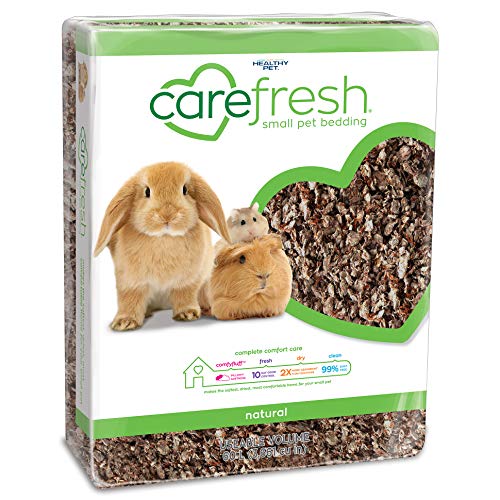
The safest bedding for a chinchilla is kiln-dried aspen shavings, dust-free paper bedding, or a reusable fleece liner placed over an absorbent layer. Dust-free paper picks like Kaytee Clean and Cozy and Carefresh Natural are easy for new owners, kiln-dried aspen such as Small Pet Select is a natural favorite, and fleece liners suit owners who want a washable setup. Whatever you choose, never use cedar, avoid non kiln-dried pine, and keep the bedding dry.
Why safe bedding matters for chinchillas
Chinchillas have dense fur and very sensitive airways, so bedding is a health decision, not just a comfort one. Damp or dusty bedding raises ammonia and can irritate the lungs, while scented or oily wood shavings can trigger respiratory problems. One important point that confuses new owners: bedding is not the same as a dust bath. Bedding lines the cage floor, but chinchillas also need a separate dust bath with special chinchilla dust a few times a week to keep their thick coat clean. Do not mix the two.
What to look for
Prioritize low dust or dust-free labeling, strong absorbency to wick urine, and a soft texture that protects delicate feet. Paper bedding and kiln-dried aspen both absorb well and control odor without added fragrance, which matters because chinchillas react badly to perfumes. Fleece liners are soft and reusable, but fleece is not absorbent on its own, so it needs an absorbent pad or layer underneath and regular washing. Look for unscented products, a manageable bag size for your cage, and a depth of about two to three inches so your chinchilla can move comfortably. Because chinchillas chew, avoid anything they can ingest in quantity, and skip clumping or gel litters entirely.
How we chose
We focused on materials that veterinarians and experienced chinchilla owners consider safe: kiln-dried aspen, paper-based bedding, and fleece over an absorbent underlay. We compared dust levels, absorbency, odor control, softness, and value, and we favored unscented options with clear dust-free claims. We read owner feedback on tracking, tray fit, and how well each bedding held up between cleanings. We did not include cedar or aromatic pine, and we noted where a product suits beginners, tight budgets, or owners who want a reusable system. Our named picks, from Kaytee Clean and Cozy and Carefresh paper to Small Pet Select aspen, all fit those safety-first standards.
What to avoid
Never use cedar bedding. Its aromatic oils release phenols that can harm a chinchilla’s liver and airways. Avoid non kiln-dried pine and any dusty, scented, or perfumed bedding, since these stress a chinchilla’s respiratory system and can lead to sneezing or infection. Skip clumping cat litter, corn cob, and sawdust, which hold moisture, grow mold, or can be dangerous if chewed and swallowed. Keep bedding dry and about two to three inches deep, spot clean the wet corners daily, and do a full change every few days. Finally, remember that a good cage setup still needs a separate chinchilla dust bath offered a few times a week, since bedding alone will not keep that dense fur clean.