Quick answer
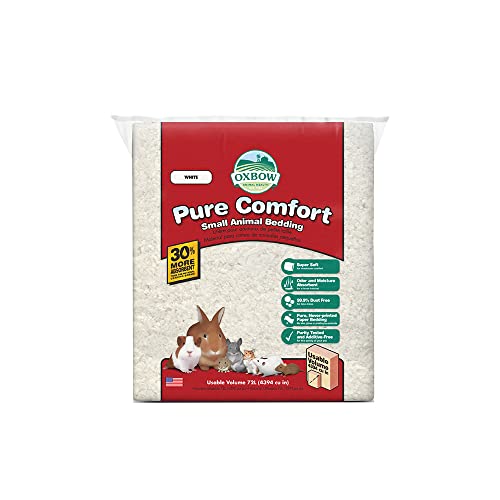
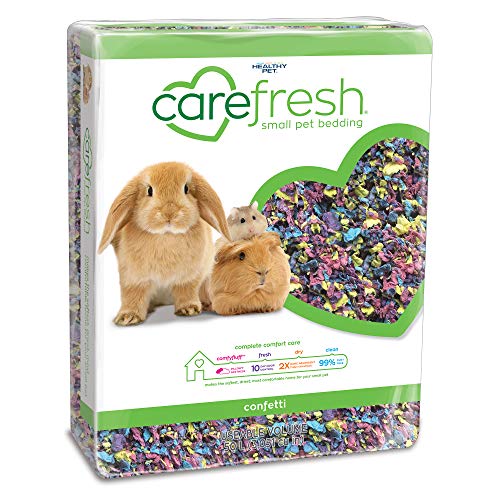
The safest bedding for a dwarf hamster is a deep layer of unscented paper bedding or kiln-dried aspen, and often a mix of both for structure. Our top pick is Carefresh Confetti, a soft 99 percent dust-free paper bedding that holds burrows well. Kaytee Clean and Cozy is a strong budget paper option, Oxbow Pure Comfort suits sensitive hamsters, and Small Pet Select Natural Paper Bedding is a clean unscented runner-up. Give at least 6 inches of depth so your hamster can dig real tunnels.
Why deep, safe bedding matters
Burrowing is a core natural behavior for dwarf hamsters, not a luxury. In the wild they dig deep tunnel systems, and a shallow layer of bedding leaves them stressed and prone to bar-chewing and repetitive pacing. Welfare guidance now points to a minimum of 6 inches (about 15 cm) of substrate, and more is better. Deep bedding also absorbs urine, holds tunnel walls in place, and keeps the cage drier between cleanings. This is why quantity matters as much as brand: you need an absorbent, burrow-holding substrate in bulk. It is also why the bedding you choose must be safe to live in day and night, since your hamster spends most of its life buried inside it.
What to look for
Choose unscented, low-dust, paper-based bedding or kiln-dried aspen. Paper bedding is soft, very absorbent, and gentle on tiny lungs, which matters because dwarf hamsters are prone to respiratory trouble. Aspen is a safe wood option that adds structure to tunnels. Hemp bedding is another safe, absorbent choice some owners mix in for extra odor control. Good bedding compresses without collapsing so burrows stay open, and it stays free of dyes, added fragrance, and clumping agents. Many keepers combine paper and aspen to get both softness and tunnel stability, then add a handful of plain paper nesting material for the sleeping chamber.
How we chose
We prioritized safety first, then depth performance and value. Every pick is unscented or low-scent, low-dust, and free of cedar and pine oils. We favored products that expand to fill a deep layer affordably, since dwarf hamster cages need a lot of substrate. We compared absorbency, how well each holds a burrow, dust ratings from the makers, and real owner feedback, then cross-checked against small-pet welfare guidance.
What to avoid
Never use cedar or softwood pine shavings. Their aromatic phenols give off fumes that can damage a hamster’s airways and liver over time. Never use fluffy cotton-wool or kapok nesting fluff either. It does not break down if swallowed and can cause fatal internal blockages, and its fibers can wrap around and cut off tiny feet and limbs. This is a common, preventable cause of hamster injury. Also skip scented, dyed, dusty, and clumping cat-style litters. Keep bedding dry, spot-clean daily, and provide a separate paper-based nesting material instead of fluff.