Quick answer
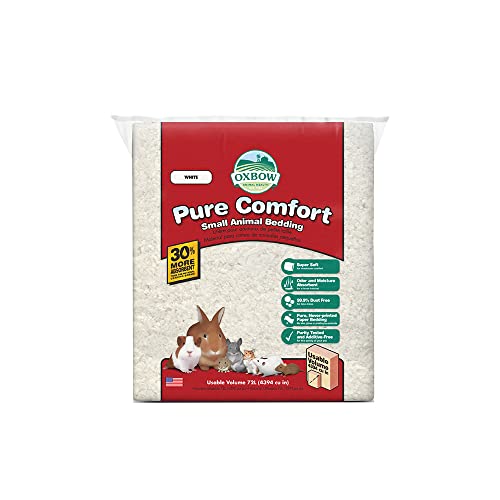
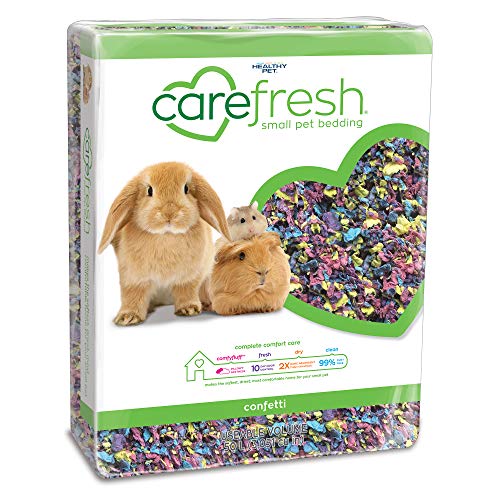
For a fancy mouse, give a deep base of low dust, absorbent bedding plus a separate pile of soft nesting material so it can dig, tunnel, and build a cozy nest. Paper based bedding or kiln dried aspen works best for the base layer, and plain shredded paper is a safe nesting material. Skip cotton wool fluff, and never use cedar or pine shavings or any scented product. This is general care guidance, not a substitute for advice from an exotics vet who knows your mouse.
Why it matters
Fancy mice are natural burrowers that spend much of the night digging tunnels and shaping nests, so bedding is more than a floor covering, it is their building material. A shallow layer leaves them nothing to dig into, while the right depth of soft bedding lets them express normal behavior and feel secure. Mouse urine is also strongly scented and produces ammonia as it breaks down, which can irritate their sensitive lungs, so how well the bedding absorbs and locks away moisture directly affects their health. Getting the base and the nesting material right keeps the cage drier, calmer, and closer to how a mouse would live in the wild.
What to look for
Start with a base you can pile several inches deep so the mouse can tunnel, then add a handful of soft nesting material on top. Choose paper based bedding or kiln dried aspen because both are absorbent and lower in harmful oils, and confirm the label says low dust or dust free to protect the airways. Good absorbency matters most, since it slows ammonia buildup between cleanings and reduces odor. For the nest itself, plain shredded paper is soft, safe if nibbled, and easy for a mouse to shape. Buy unscented products only, and pick lightweight bedding that is quick to scoop when you spot clean.
How we chose
We focused on beddings that pair a burrow friendly base with safe nesting behavior, then compared published specs for dust levels, absorbency, texture, and scent. We favored paper based and reclaimed fiber options that are labeled 99 percent or more dust free and unscented, because those traits line up with what fancy mice need. We also weighed value and pack size, since these small pets get through bedding regularly during full changes. Our picks reflect editorial research into product specs and common owner experience rather than lab testing, and your own vet can help you fine tune choices for a mouse with allergies or breathing issues.
What to avoid
Never use cedar or pine shavings, as the aromatic oils and phenols they release are linked to respiratory and liver problems in mice. Avoid any scented or perfumed bedding and any product with added dyes, since these irritate delicate airways. Do not use fluffy cotton wool nesting fill, because the fine strands can wrap around tiny limbs or be swallowed and cause a dangerous intestinal blockage, use plain shredded paper for nesting instead. Finally, do not skip spot cleaning, because strong urine odor and ammonia climb fast in a small enclosure, so remove soiled patches often and do a full change on schedule.