Quick Answer
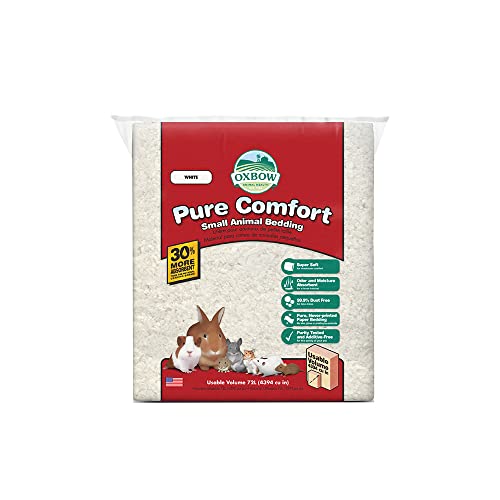
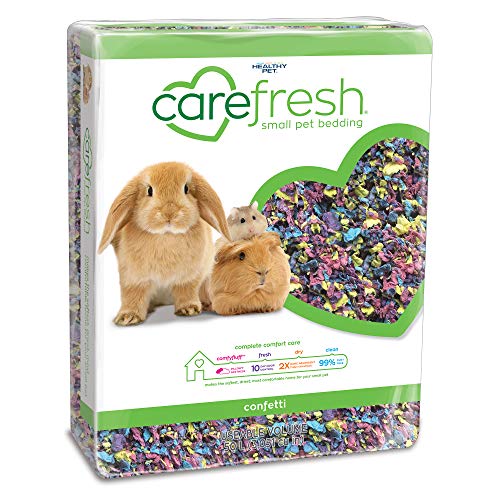
For most fancy rats, a low-dust, paper-based bedding is the safest starting point in 2026. Paper products like Carefresh Confetti and Oxbow Pure Comfort are soft enough for burrowing, absorbent enough to control ammonia, and low in dust, which matters because rats are unusually prone to respiratory disease. Kiln-dried aspen is an acceptable wood option if you want more absorbency, but you should never use cedar or pine shavings. If your rat already wheezes, sneezes, or makes clicking sounds, talk to an exotics vet before changing anything.
Why It Matters
Respiratory illness is one of the most common health problems in pet rats, and their bedding sits directly against their nose and lungs all day. Dust, aromatic oils, and ammonia from urine all irritate delicate airways and can trigger or worsen chronic infection. Cedar and pine shavings release aromatic phenols that many keepers and vets link to airway irritation and liver stress, which is why paper and kiln-dried aspen are the standard recommendations. Getting bedding right is not a cosmetic choice, it is one of the biggest daily factors in how long and how comfortably your rat lives.
What to Look For
Prioritize bedding labeled low dust or 99 percent dust free, and always choose unscented, since added fragrance is another airway irritant. Absorbency is the next priority because it locks away urine and slows the ammonia buildup that damages lungs, so paper and hemp both perform well. Softness and depth matter too, as rats love to tunnel and nest, so aim for a couple of inches with a deeper pile in one corner. Finally, pick a non-toxic material, because rats nibble their bedding, and paper, hemp, and aspen are all safe if ingested in small amounts.
How We Chose
We built this shortlist by reviewing widely available beddings against the priorities that matter most for rat respiratory health: dust level, absorbency, softness for burrowing, and safety if nibbled. We favored paper-based options because they combine low dust with the soft texture rats prefer for nesting, and we included a kiln-dried aspen and a hemp alternative for owners who want more absorbency. We did not lab-test these products ourselves, so treat this as editorial research rather than a controlled trial, and defer to your exotics vet for any rat with existing breathing problems.
What to Avoid
Never use cedar or pine shavings, whose aromatic oils are the single most common bedding mistake for rats. Skip anything scented or perfumed, along with dusty sawdust-style products and clay cat litters, which can be inhaled or cause serious problems if eaten. Avoid letting soiled bedding sit, because ammonia climbs quickly in a closed cage and harms the lungs just as dust does, so spot clean often and replace fully on schedule. When in doubt, plainer and simpler is safer than novelty bedding with dyes, heavy fragrance, or fine powder.