Quick answer
For a ferret, the best bedding is soft, washable fabric they can sleep inside, not loose substrate. Start with a sturdy fleece hammock or a cozy sleep sack, add a soft fleece pad on the cage floor, and keep a separate litter box filled with paper pellet litter. This combination keeps a ferret warm, gives it a dark place to burrow, and stays easy to clean. Ferrets have an oily, musky coat, so fabric that machine washes well is the single most important feature to get right.
What ferret bedding really means
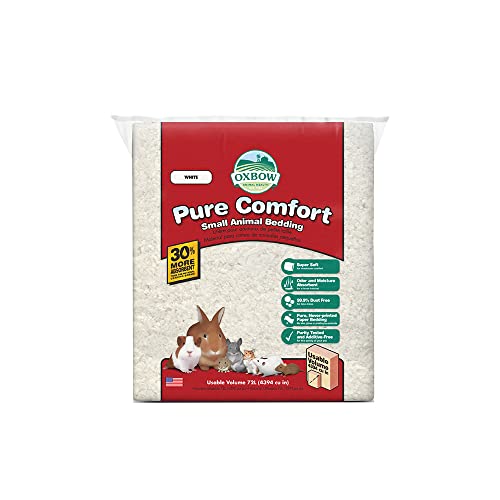
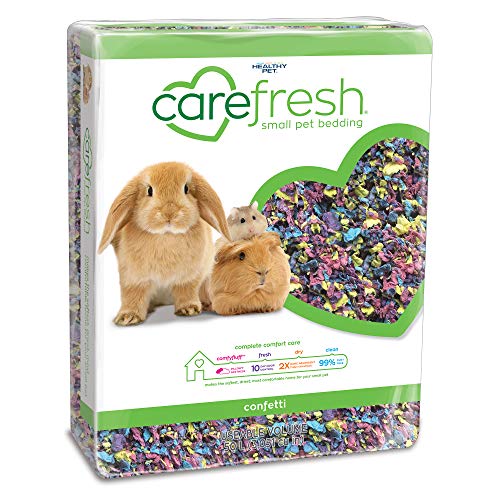
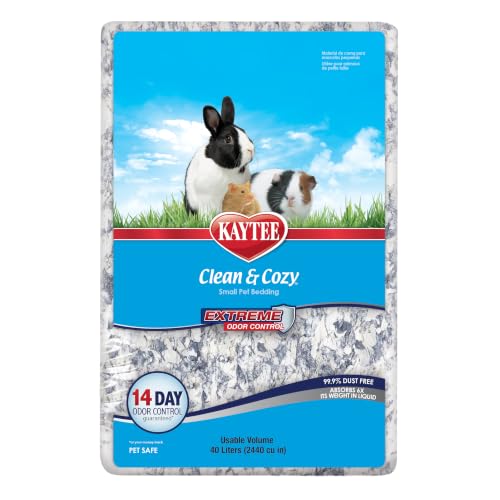
Ferrets do not use loose bedding the way hamsters or gerbils do. They do not build nests out of shavings or paper crumble. Instead, a ferret sleeps buried in fabric, so real ferret bedding is soft sleep gear: fleece hammocks, sleep sacks, cuddle cubes, and soft blankets or pads. The paper products sold as small pet bedding belong in the litter box, not the sleeping area. Keeping the two jobs separate, fabric for sleep and paper pellets for the toilet corner, is what keeps a ferret cage clean and healthy. Understanding this one difference changes how you shop and saves you money on substrate a ferret will never actually nest in.
What to look for
Choose tightly woven fleece and soft cotton fabrics with finished edges and no loose threads a claw or tooth can catch. Double-layer hammocks hold warmth and resist sagging. For the litter corner, pick dust-free paper or recycled-paper pellets that absorb ammonia without perfume. Look for machine washable sleep gear, secure clips or ties that will not pop under a wrestling ferret, and a size roomy enough for two ferrets to pile together. Neutral, unscented materials suit the sensitive noses ferrets are known for.
How we chose
We focused on washability, safe construction, and how well each option matched normal ferret behavior. Sleep gear had to be fleece or a similarly smooth, low-shed fabric with reinforced seams, since a torn hammock quickly becomes a hazard. Litter picks had to be paper based, low dust, and free of clumping agents and aromatic oils. We favored products that ferret owners buy again and again, and we gave extra weight to easy cleaning, because an oily ferret coat means frequent laundry is simply unavoidable.
What to avoid
Skip loose-fill shavings and terry cloth with looped threads, which snag claws and unravel fast. Avoid anything a determined chewer can swallow, because ingested fabric can cause a life-threatening intestinal blockage that often needs surgery; if your ferret chews bedding, remove it and ask your veterinarian for guidance. In the litter box, never use clumping clay litter, which is dusty and dangerous if eaten, and never use cedar or pine, whose oils can harm a ferret’s airways. Fragranced or scented bedding is another common mistake, since strong perfumes irritate a ferret’s sensitive nose and lungs. When in doubt, plain unscented fleece and paper pellets are the safest pair you can give a ferret.