Quick Answer
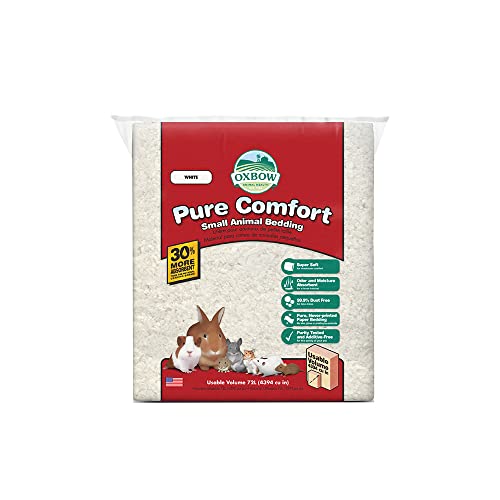
The best bedding for a gerbil is a low dust, paper based or aspen substrate laid down deep enough for real tunneling, ideally 6 to 10 inches or more. Dust extracted paper beddings like Carefresh White Natural and Kaytee Clean and Cozy are reliable picks because they are soft, absorbent, and safe for sensitive airways. For tunnels that actually hold their shape, mix the paper with a handful of plain hay or shredded paper so the burrows do not collapse.
Why It Matters
Gerbils are desert burrowers by instinct, and digging is not a luxury for them, it is a core behavior tied to their mental and physical health. A shallow scatter of bedding leaves a gerbil frustrated, and bored gerbils often start bar chewing or over grooming. Deep bedding lets them build and rearrange a tunnel network the way they would in the wild, which keeps them calmer and more active. The right substrate also protects their respiratory system, which is delicate and easily irritated by dust or aromatic oils.
What to Look For
Prioritize two things above all else, depth capacity and dust level. Buy enough volume to fill a burrowing tank several inches deep, since a single small bag rarely covers a proper setup. Choose bedding labeled dust extracted or 99.9 percent dust free, and favor unscented, unbleached paper or plain aspen. A material that compresses and holds a tunnel wall is far better than a loose, fluffy fill that simply caves in when your gerbil digs.
How We Chose
This is an editorial roundup, not a hands on lab test. We compared widely available small pet beddings against the priorities that matter most for gerbils, low dust content, burrowing performance, absorbency, and material safety, and we cross referenced manufacturer specs with common guidance from exotics keepers. We favored paper and aspen options with strong reputations for tunnel holding and clean, unscented formulas, and we flagged materials to avoid entirely.
What to Avoid
Never use cedar or pine shavings. Their aromatic oils, called phenols, release fumes that can harm a gerbil’s airways and liver over time. Skip fluffy cotton wool or synthetic nesting fluff too, because the fibers pose a serious impaction risk if eaten and can wrap around tiny limbs. Also avoid scented beddings, clumping cat litter, and anything dusty. If your gerbil shows sneezing, wheezing, weepy eyes, or a rough coat, change the substrate and consult an exotics vet.