Quick answer
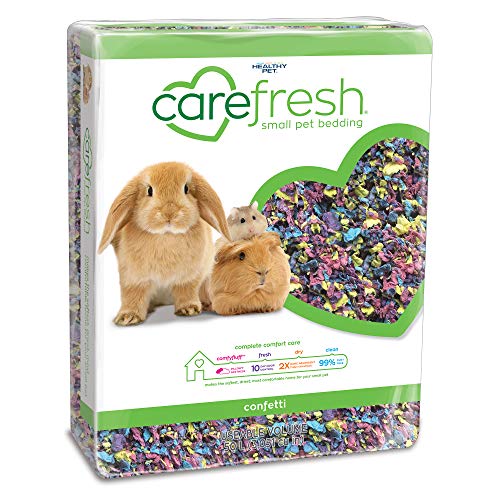
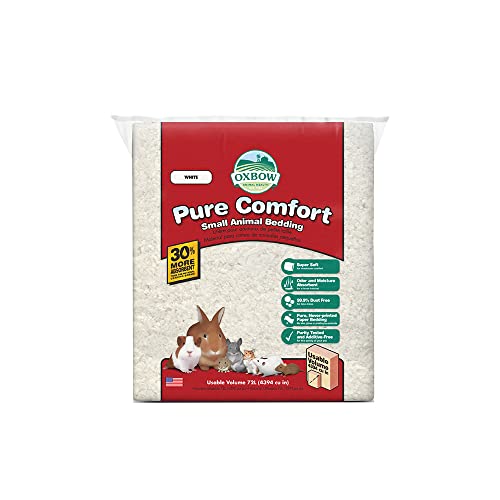
The best bedding for guinea pigs is soft, highly absorbent and low in dust. Paper-based bedding like Oxbow Pure Comfort or Carefresh Confetti is the easiest safe choice, and a reusable fleece liner such as the GuineaDad Premium Liner works well when placed over an absorbent layer. Kiln-dried aspen is a safe wood option if you prefer shavings. Never use cedar or softwood pine shavings, because their aromatic oils can harm sensitive lungs, and steer clear of clumping clay or corncob for the same safety reasons.
Why bedding matters for guinea pigs
Guinea pigs spend nearly all day standing, walking and sleeping directly on their bedding, so the surface affects both their feet and their breathing. They are prone to respiratory infections, which is why dust control is not optional but a core health issue. They also develop bumblefoot (pododermatitis) on hard, wet or abrasive floors, so softness and absorbency directly protect their delicate feet. Good bedding locks in urine to slow ammonia buildup, keeping the cage air cleaner between cleanings and reducing the sharp smell that signals a problem. The right surface makes daily care easier and lowers the risk of a costly vet visit.
What to look for
Prioritize low-dust or dust-free labeling first, since fine particles trigger sneezing, coughing and infection. Choose high absorbency, because guinea pigs urinate a lot and a dry cage means less ammonia. Look for a soft, springy texture that cushions the feet rather than sharp pellets or splinters. Paper beddings like Kaytee Clean and Cozy and Small Pet Select expand for depth and burrowing, which guinea pigs enjoy. Unscented options are safer than heavily fragranced ones, which can irritate the airways. Fleece liners add reusable comfort but must sit over towels or pads that pull moisture away from the surface so paws stay dry.
How we chose
We compared widely sold guinea-pig bedding on the factors that matter most for this species: dust level, absorbency, foot comfort, odor control and ease of cleaning. We favored paper products with clear dust-free claims, fleece liners with a moisture-wicking top layer, and aspen that is kiln-dried and screened for fine dust. We looked at bag size and value so owners can compare cost per change, and we checked that materials suit guinea pigs specifically rather than other pets. Options with added fragrance, heavy dyes or aromatic softwood were excluded on safety grounds.
What to avoid
Skip cedar and softwood pine shavings entirely, because the phenols in their scent can irritate the airways and stress the liver. Avoid clumping clay cat litter, corncob and any very dusty product, since these can be swallowed or breathed in. Do not house guinea pigs on bare wire or hard plastic with no cushioning, as this causes sore feet and bumblefoot over time. Also avoid scented or dyed bedding marketed on looks rather than safety. If bedding smells sharp within a day or two, add more absorbent material and clean more often rather than masking it with scented sprays.