Quick Answer: Best Bedding for Hamsters in 2026
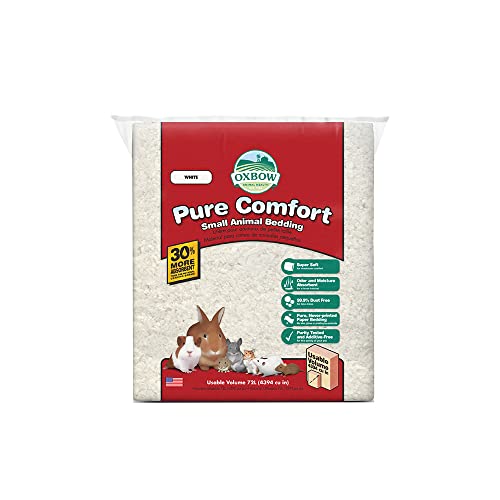
The best hamster bedding is an unscented, low dust, paper based product such as Carefresh White Natural, Kaytee Clean and Cozy, or Oxbow Pure Comfort. Plain aspen shavings are a safe wood option too. Whatever you pick, you need enough of it to fill the enclosure at least 6 inches deep so your hamster can dig real tunnels. More depth is better for welfare, and a burrow ready material matters far more than any single brand name.
Why Bedding Choice Matters
Bedding is not just a cage liner. It is where a hamster spends most of its life, burrowing, nesting, and hiding. Wild hamsters dig deep tunnel systems, and captive hamsters show the same drive. Shallow bedding leaves them stressed and often leads to bar chewing and other repetitive behaviors. The right material also protects the airways, since hamsters are small, ground dwelling animals that breathe in whatever dust or fumes sit close to the substrate. Getting bedding right supports both physical health and natural behavior at the same time.
What to Look For
Prioritize four things. First, low dust, ideally labeled 99.9 percent dust free, to spare sensitive lungs. Second, strong absorbency so urine is locked away and ammonia does not build up. Third, a texture that holds a burrow, which paper and aspen both do well. Fourth, no added scent, since fragrance oils irritate delicate airways. Buy in bulk, because filling a proper enclosure to 6 inches or more takes far more bedding than most new owners expect.
How We Chose
We did not lab test these products. Instead we compared widely sold beddings against published specifications, manufacturer material lists, and the consensus of exotic pet and small animal care guidance. We favored unscented, paper based options that are dust extracted, absorbent, and deep enough to burrow in, and we excluded anything aromatic, fluffy, or prone to causing blockages. Think of this as an editorial shortlist to narrow your search, not a substitute for advice from an exotics vet who knows your specific animal.
What to Avoid
Never use cedar or pine shavings. Their aromatic oils, especially phenols from cedar, are linked to airway irritation in small mammals. Skip all scented or perfumed bedding for the same reason. Avoid fluffy cotton wool style nesting fluff, which does not break down if swallowed and can cause dangerous gut impaction, and whose fibers can wrap around and trap tiny limbs. Steer clear of clumping cat litter, corncob, and walnut shell, which absorb poorly or risk blockages if nibbled.