Quick answer
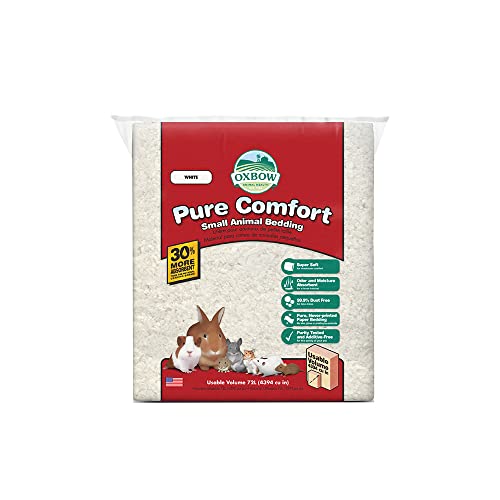
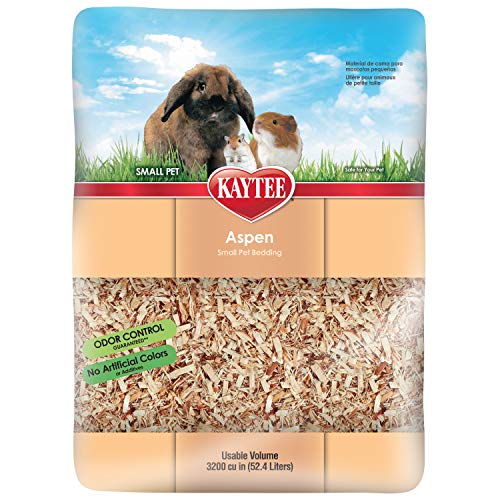
The safest hedgehog bedding is a reusable fleece liner or a low-dust, paper-based bedding. Fleece liners such as the GuineaDad Original Reusable Cage Liner are soft on tiny feet, warm, and washable, and they keep loose particles away from eyes, feet, and genitals. If you prefer loose substrate, Carefresh White Natural Paper Small Pet Bedding, Kaytee Clean & Cozy White Paper Bedding, and Oxbow Pure Comfort are dependable low-dust choices. Kiln-dried Kaytee Aspen suits owners who want a natural burrowing material. Never use cedar or pine shavings.
Why fleece and safe bedding matter
Hedgehogs have sensitive lungs and delicate skin, so bedding is a health decision, not just decoration. Fleece is popular because it holds warmth, which matters since a cold hedgehog can attempt an unhealthy hibernation attempt that a vet should treat quickly. Fleece also avoids loose fibers that can wrap around toes and legs or work into the genital region, a real hazard that is especially serious for males. Paper and aspen let hedgehogs burrow, which many owners value, so the right pick depends on your setup and cleaning routine.
What to look for
Choose low dust or dust-free labeling to protect the respiratory system, and good absorbency to keep the enclosure dry between spot cleans. Pick unscented products, since perfumes irritate a hedgehog’s nose. For loose bedding, favor soft paper strips or kiln-dried aspen that will not splinter. For fleece, look for an absorbent inner layer and a snag-free surface with no frayed edges. Warmth is a factor too, so pair any bedding with a properly heated enclosure.
How we chose
We compared widely trusted small-pet bedding against the needs hedgehog keepers report most: dust control, warmth, absorbency, and freedom from aromatic oils. We favored fleece liners and paper beddings that carry low-dust claims and avoid scents, clumping agents, and softwood shavings. Aspen made the list as the one wood option safe from cedar and pine oils. We also weighed how easy each product is to spot clean or wash, since a bedding you can keep dry is a bedding you will actually maintain. Every pick reflects widely accepted keeper guidance and vet-informed safety rules rather than any single scented or dusty gimmick product.
What to avoid
Never use cedar or softwood pine shavings. Their aromatic oils are linked to respiratory and liver harm in small animals, and the fumes build up fast in an enclosed cage. Skip dusty, scented, or clumping products, and be cautious with very fine loose bedding that can enter the genital region or wrap around limbs, a hazard that is especially serious for males. Hay and straw are poor choices because they can be dusty or moldy and may scratch eyes. Cotton-style fluff bedding is another one to avoid, since its long fibers can trap legs. When in doubt, a fleece liner keeps things simple, warm, and safe, and any breathing or leg problem is worth a prompt vet visit.