The Quick Answer
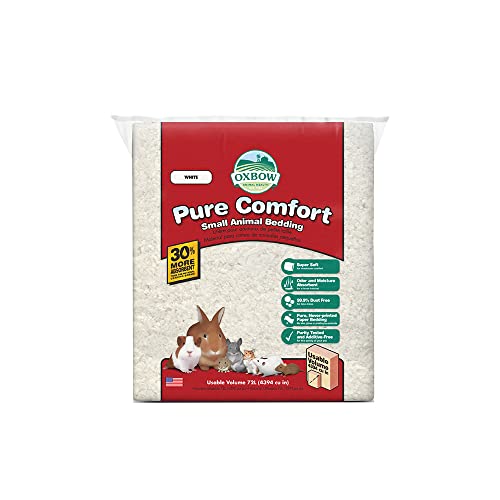
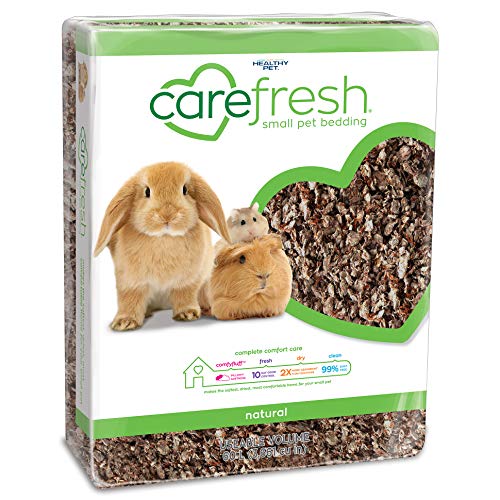
For a pet mouse, the safest bedding is a low-dust, paper-based substrate laid 2 to 3 inches deep so your mouse can burrow and build nests. Our top pick is Carefresh Natural Paper Small Pet Bedding because it is almost dust-free, highly absorbent, and soft enough to shape into tunnels. Kaytee Clean and Cozy White Paper Bedding is the strongest budget choice, while kiln-dried aspen shavings work well as a firmer alternative. Never use cedar or pine shavings, and skip fluffy cotton-wool nesting fluff. Offer plain shredded paper for nesting instead.
Why Bedding Matters for a Mouse
Mice are burrowing, nest-building animals, so bedding is not just a floor covering, it is their environment. A good depth of soft, low-dust material lets a mouse dig tunnels, hide, and sleep the way it would in the wild, which reduces stress and boredom. Bedding also manages the single biggest husbandry challenge with mice: odor. Mouse urine has a surprisingly strong smell for such a small animal, so an absorbent substrate that traps moisture keeps the cage healthier and more pleasant. Poor bedding choices, especially aromatic wood shavings, can inflame a mouse’s tiny airways over time.
What to Look For
Prioritize dust levels first. Mice have sensitive respiratory systems, so choose products labeled dust-free or low-dust, and consider sifting very fine material before use. Next, look at absorbency and odor control, since paper and paper-cellulose blends generally outperform wood at locking in moisture. Make sure the bedding holds a tunnel shape for burrowing and is soft enough to nest in without sharp fragments. Finally, insist on unscented, additive-free products. Perfumes and deodorizing crystals may smell clean to you but can irritate a mouse’s skin and lungs.
How We Chose
We built this list by reviewing widely available small-pet beddings against the needs of mice specifically, not rabbits or guinea pigs, whose larger size tolerates coarser material. We favored paper-based and kiln-dried aspen options that manufacturers describe as low-dust, absorbent, and unscented, then cross-checked those claims against common owner feedback and general small-animal care guidance. We did not lab-test these products ourselves, and no single bedding suits every mouse or every cage size. Treat our picks as a researched starting point and adjust based on how your own mouse responds.
What to Avoid
Two categories cause the most harm. First, aromatic softwood shavings: cedar and pine release phenol compounds that can damage a mouse’s delicate airways and liver, so avoid them entirely in favor of paper or kiln-dried aspen. Second, fluffy cotton-wool nesting fluff, which looks cozy but poses real impaction and entanglement risks. Thin strands can wrap around tiny toes or be swallowed and block the gut. Give plain shredded, unscented paper for nesting instead. Also avoid heavily scented or chemically treated bedding. If your mouse shows sneezing, labored breathing, or skin irritation, remove the bedding and consult an exotics veterinarian.